

Unraveling the Mystique of Unsecured Loans: Unlocking Opportunities or Opening Pandora’s Box?
Ah, loans—a word that makes some folks wince and others rejoice. Today, we’re diving into the world of unsecured loans, a sort of financial magic carpet ride that swings high on possibilities yet hovers precariously over the abyss of risk. So, let’s put on our financial detective hats and explore whether these loans are the key to unlocking opportunities or merely a Pandora’s box of unforeseen troubles.
Unsecured Loans Explained: More Than Meets the Eye
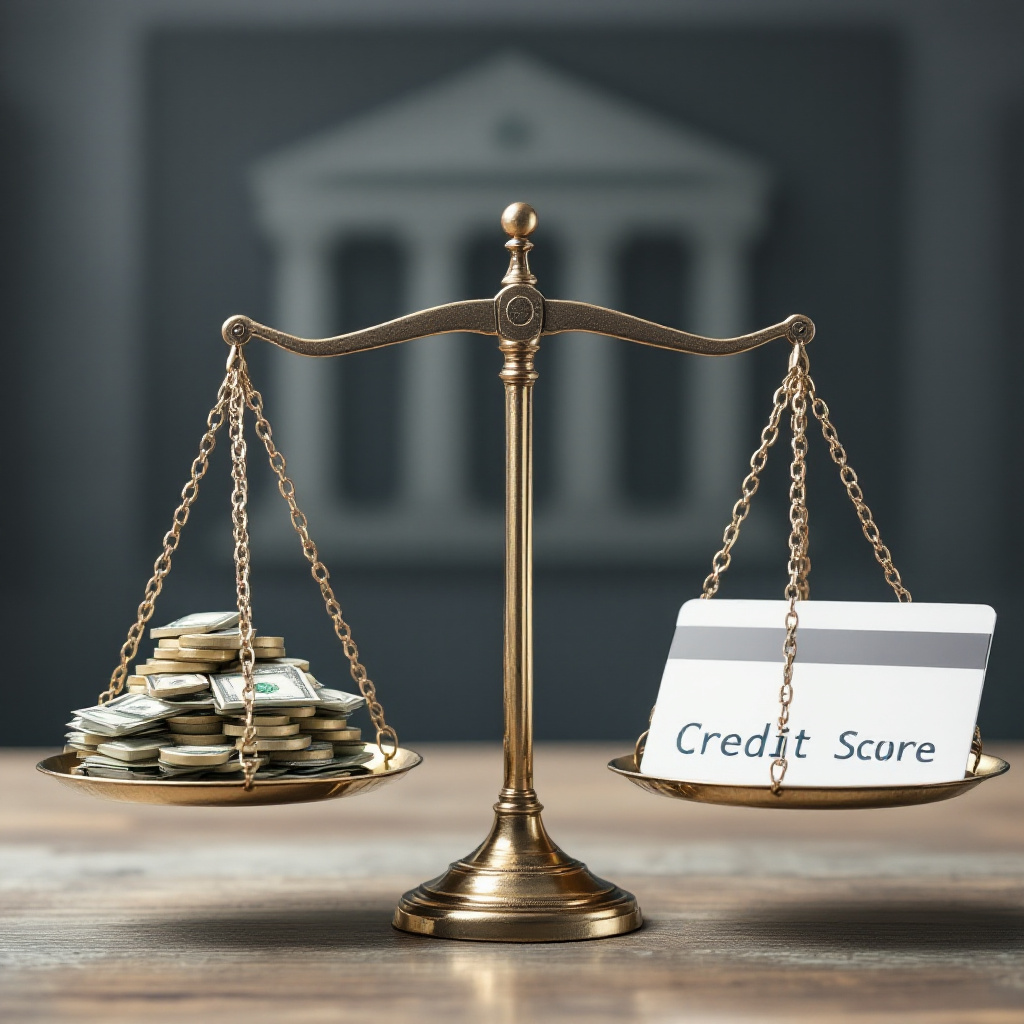
The concept of unsecured loans is pretty straightforward. Unlike secured loans, where your home, car, or any valuable asset acts as collateral, unsecured loans don’t require any such backing. Instead, these loans hinge predominantly on your creditworthiness. The better your credit score, the better loan terms you can snag—sounds fair enough, right? In essence, it’s your reputation with money that’s backing the loan.
Here are some key features of unsecured loans:
– No Collateral Required: Risk of personal asset loss is virtually non-existent.
– Higher Interest Rates: Due to the absence of collateral, lenders compensate for the increased risk with higher interest rates.
– Shorter Repayment Periods: Typically, these range from a few months to several years, unlike mortgages that stretch over decades.

Why Unsecured Loans Might Just Be Your New Best Friend
For those who tread cautiously around financial obligations, unsecured loans can be a blessing in disguise. They offer a plethora of benefits that make them enticing for a wide range of applications.
1. Debt Consolidation: Ah, the tangled web of multiple debts. Unsecured loans can act as a financial hacksaw, cutting through the clutter and bundling different obligations into a single, manageable payment. It’s particularly handy when you’re juggling credit card debts with sky-high interest rates.
2. Education and Self-Improvement: Whether it’s funding your education or a riveting online course, these loans offer a means to invest in yourself without staking your possessions on the line.
3. Critical Financial Buffers: Sometimes life throws curveballs, like unexpected medical bills or urgent repairs. In such situations, unsecured loans offer a quick financial cushion without the red tape often associated with other loan types.
4. Flexible Usage: Beyond their structured counterparts like car loans or mortgages, unsecured loans don’t dictate what you should spend on. They are like a financial Swiss Army knife, ready for whatever comes your way.
Potential Pitfalls: The Other Side of the Coin
As enticing as the benefits are, unsecured loans aren’t without their drawbacks. It’s crucial to weigh the cons to ensure you’re not biting off more than you can chew.
– Higher Interest Rates: Here’s the kicker. Without the security of collateral, interest can sneak up and bog you down. It’s an irony, really; the very ease of borrowing can sometimes be a financial quagmire.
– Stringent Credit Requirements: Applying for unsecured loans with anything less than stellar credit can be a wild goose chase. Lenders want assurance that you can repay, and a shaky credit score might just slam the doors shut.
– Repayment Pressure: With shorter terms typically ranging from one to five years, monthly repayments can be quite hefty. Miss a few, and you might find yourself rolling down a slippery slope of mounting debt.
How Do Unsecured Loans Compare to Their Secured Cousins?
When it comes to loans, there are certainly flavors to choose from. Secured loans, like mortgages, are the stalwart, slow-and-steady type. They offer lower interest rates and longer repayment terms because the collateral acts as a safety net for lenders. But should you default, the repercussions might involve losing your cherished asset.
Unsecured loans, in contrast, resemble a financial Wild West. Quick access, broad usage, but buyer beware—those interest rates and repayment terms can catch you unawares.
It’s a classic trade-off scenario:
– Secured Loans: Lower interest, longer terms, assets at risk.
– Unsecured Loans: Higher interest, shorter terms, reputational risk.
Your choice, naturally, depends on your financial goals and risk appetite.
Eligibility Criteria: Who Can Hop on the Unsecured Bandwagon?
Before you dash off to the nearest lender, a word about eligibility. Unsecured loans aren’t a free-for-all. Lenders scrutinize several factors to determine your loan-worthiness:
1. Credit Score: The Holy Grail of unsecured borrowing. A score of 670 or above generally bodes well.
2. Income Stability: Lenders examine your income sources and employment status. Adequate, consistent income means you’re a lesser risk.
3. Debt-to-Income Ratio: This ratio ensures you have enough monthly income to cover existing debts plus the new loan repayment. It’s like your financial stress test.
4. Residency and Age: Most lenders require you to be at least 18 years old and a resident of the country they’re lending in.
Part of their allure is that unsecured loans do not tie you down with asset requirements, but your financial history becomes an unspoken promise of repayment.
Unsecured Loans and Student Loans: A Quick Comparison
Student loans are a distinct breed of their own, often backed by government programs which make them a special kind of unsecured loan with unique perks and pitfalls.
– Interest Rates: Federal student loans tend to have lower fixed interest rates compared to typical unsecured personal loans, which can lessen the financial strain on budding scholars.
– Repayment Terms: They’re generally more flexible, with options like income-driven repayment plans, conveniently, aligning payments with your financial capacity.
– Limited Usage: Student loans are specifically for educational expenses, unlike unsecured personal loans that don’t subscribe to a particular use.
– Credit Considerations: Student loans often don’t require spotless credit as eligibility might depend more on educational criteria.
For education, student loans are usually the standout choice due to their tailored benefits. However, where flexibility of usage is desired, unsecured personal loans hold the upper hand.
Conclusion: Taming the Unsecured Loan Beast
In wrapping up this financial voyage, it’s clear that unsecured loans aren’t a one-size-fits-all solution. They can indeed be a launchpad for opportunities—be it debt consolidation, education, or handling life’s surprises. Yet, their promise comes with a caveat—the potential for escalating interest and strict repayment obligations.
Ultimately, the viability of an unsecured loan rests on your financial situation and objectives. They’re like a double-edged sword: they can serve as a savvy financial tool or become a sinkhole of debt if not handled with care.
So, are unsecured loans a gold mine or a land mine for you? Well, that depends on how you wield the knowledge you’ve gathered here. As with any financial endeavor, your best ally is informed choice, paving the way for financial foresight and prudent loan management. Remember, when it comes to borrowing, measure twice, cut once, and watch as you navigate the complex world of unsecured lending with clarity and confidence.
FAQs About Unsecured Loans
What is an unsecured loan?
An unsecured loan is supported only by the borrower’s creditworthiness, rather than by any collateral, such as property or other assets. Unsecured loans are riskier than secured loans for lenders, so they typically require higher credit scores for approval.
How does credit score affect my eligibility for an unsecured loan?
Your credit score is a crucial factor lenders use to assess your eligibility for an unsecured loan. A higher credit score demonstrates financial responsibility and increases the likelihood of loan approval, potentially with better terms and lower interest rates. Conversely, a lower credit score might result in loan denial or higher interest rates due to perceived risk.
What is the typical interest range for unsecured loans?
The interest rates for unsecured loans can vary widely, generally ranging from 5% to 36%, depending primarily on your credit score, loan amount, and repayment terms. Borrowers with excellent credit can secure rates on the lower end of this spectrum, while those with less-than-stellar credit might face higher rates.
What are the repayment terms for most unsecured loans?
Repayment terms for unsecured loans usually span from one to five years, offering flexibility in structuring your monthly payments. The exact term depends on the loan agreement, lender policies, and your preference for balancing monthly payment size against the total interest paid over the life of the loan.
Why might someone choose an unsecured loan over a secured one?
Some borrowers prefer unsecured loans because they don’t require collateral, meaning there’s no risk of losing personal assets if unable to repay the loan. Additionally, unsecured loans often come with quicker approvals and funding processes, making them suitable for urgent financial needs or debt consolidation without ties to specific assets.
