

The Pros and Cons of Secured Loans: Unlocking the Value of Your Assets
If you’ve ever found yourself in a pickle, needing to borrow capital but wary of exorbitant interest rates, you might have stumbled upon the option of secured loans. Secured loans can be a financial lifeline if you’ve got valuable assets that you can use as collateral. But, like everything under the sun, they come with their own set of pros and cons. So, hop on as we unravel the mystery of secured loans and why they could be your golden ticket—or possibly a cautionary tale.
What Exactly are Secured Loans?
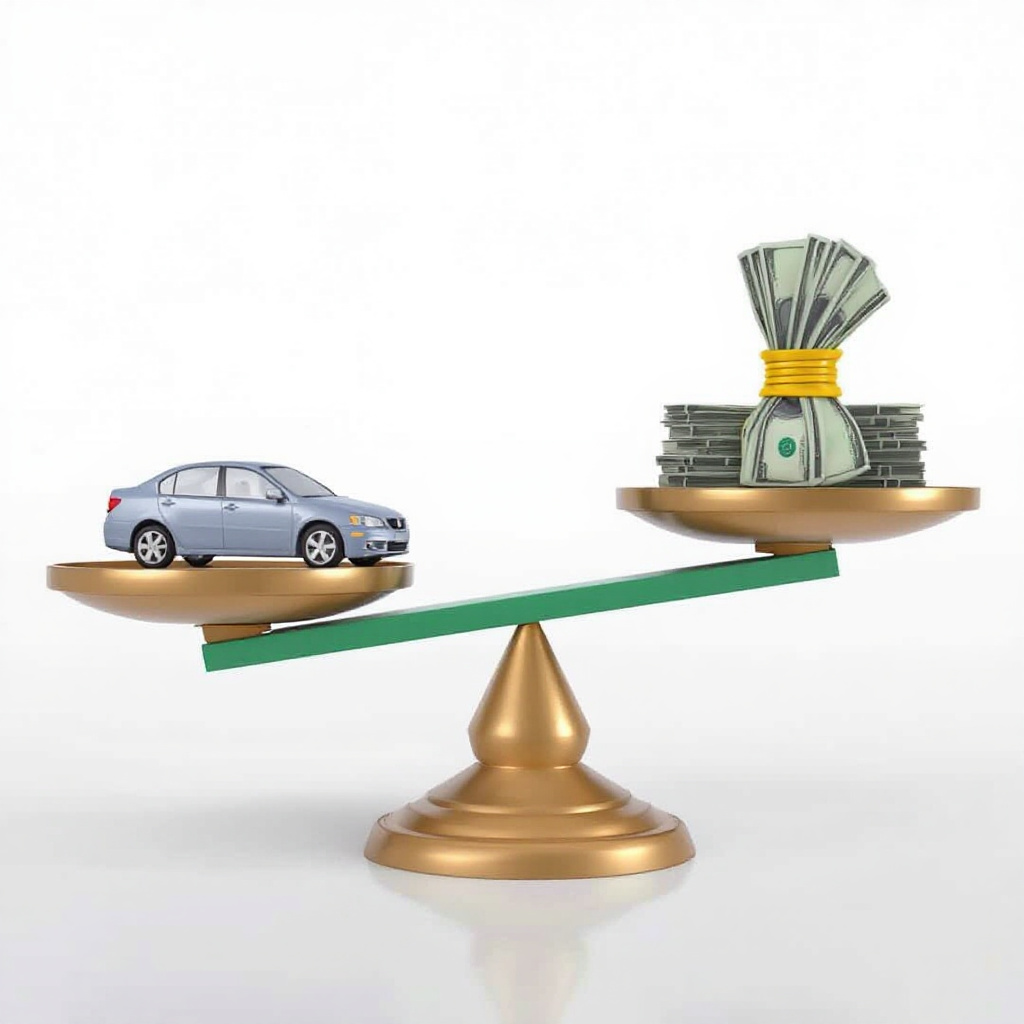
Secured loans are a type of borrowing wherein the borrower pledges an asset—like their car or home—as security for the loan. Sounds simple enough, right? This setup gives lenders a safety net; if push comes to shove and the borrower can’t repay the loan, the lender can seize the asset to recoup their losses. Therefore, secured loans often come with the promise of lower interest rates compared to their unsecured counterparts.

The Glimmering Advantages of Secured Loans
Why do folks opt for secured loans over their unsecured cousins? Let’s break down the benefits that have given secured loans their rightful place in the finance world.
- Lower Interest Rates: One of the most alluring features of secured loans is their typically lower interest rates. Since lenders have less risk with collateral backing, they can afford to offer more attractive interest rates.
- Higher Borrowing Limits: With secured loans, you can often borrow more money. After all, the more valuable your asset, the more you can get.
- Flexible Terms: Secured loans generally come with a variety of repayment options which can be tailored to suit your financial situation, offering more breathing room and less stress.
- Improved Chances of Approval: Especially appealing if your credit score is nothing to write home about, using collateral can increase your odds of getting that approved stamp.
Where’s the Catch? The Risks of Secured Loans
Before you get too swept away by the allure of secured loans, it’s crucial to take a moment and weigh the risks they entail. Here’s the skinny on the potential downsides:
- Asset Seizure: The biggest gamble with secured loans is the potential loss of your pledged asset. Defaulting on the loan could lead to foreclosure or repossession, which is the lender’s trump card.
- Longer Loan Terms: While more time might seem like a blessing, longer terms could ultimately mean paying more interest over time.
- Complexity: The paperwork and legalities around secured loans can be more involved than with unsecured loans. Make sure you’re aware of all the fine print before signing on the dotted line.
Typical Assets Used as Collateral
Thinking about what you can use to back your secured loan? Here’s a snapshot of common assets that can be used as collateral:
- Home Equity: Home equity loans are common and offer substantial borrowing power.
- Vehicles: You can leverage your car or any other vehicle you own outright.
- Savings Accounts or CDs: Some even use their savings accounts or certificates of deposit as collateral.
- Valuable Personal Property: In some cases, artwork or jewelry may also serve as collateral, though it’s less common.
How to Tell if a Secured Loan is Right for You
The million-dollar question: should you, given your circumstances, go for a secured loan? Well, it calls for a blend of introspection and a dash of number crunching:
- Are you in a position to make regular, timely payments?
- Is your asset’s potential loss manageable for you if things go south?
- Does the lower interest rate significantly benefit your financial situation?
Secured Loans Vs. Unsecured Loans: The Key Differences
To make a well-informed decision, you should understand how secured loans stack up against unsecured options. Here’s a quick comparison:
- Collateral: Secured loans require it; unsecured loans do not.
- Interest Rates: Secured loans usually have lower interest rates than unsecured because of the reduced risk to the lender.
- Loan Amounts: You can typically borrow more with a secured loan, contingent upon the value of your asset.
- Risk: With secured loans, you risk losing your asset; unsecured loans, on the other hand, generally affect your credit score and increase debt if defaulted.
Navigating Secured Loan Offers
Once you’ve decided a secured loan is the way to go, here comes the fun part—shopping around! Though it might seem daunting at first, remember it’s better to compare and shop around. Consider things like:
- Interest Rates: Always go for the best you can secure.
- Repayment Terms: Be conscientious about how long you’ll be paying off the loan.
- Fees and Charges: Keep an eye out for any hidden add-ons.
Success Stories and Lessons Learned
You’d be flabbergasted at how many people have used secured loans to drastically change their lives. From consolidating overwhelming debt to funding a dream project, success stories abound. Yet, for each success, there are tales of woe—assets lost and dreams snuffed out. The moral of the story? Knowledge and careful planning are your best allies.
The Final Verdict
Secured loans can be a powerful financial tool, offering attractive benefits like lower interest rates, larger borrowing limits, and improved chances of approval. But with great power comes great responsibility—in this case, the risk of losing valuable assets if you can’t keep up with payments. Weighing these pros and cons against your personal financial circumstances is essential.
So, armed with this wisdom, are you ready to dive into the world of secured loans, or will you choose another path? As the saying goes, You’ve got to risk it to get the biscuit, but remember—only if the biscuit is worth it.
FAQs
What is a secured loan?
Secured loans are loans that require you to provide collateral, which can be a tangible asset like real estate or a car, or liquid assets such as cash. Both personal and business loans can come in the form of secured loans. It’s worth noting that secured business loans may sometimes require a personal guarantee in addition to the collateral.
Is a secured loan a good idea?
Secured loans usually offer lower interest rates and higher borrowing limits, making them a potentially good option if you’re confident you can make timely payments. However, the risk of losing your collateral if you default is a significant consideration. If you’re hesitant to put your assets on the line, an unsecured loan might be a better fit, despite typically higher interest rates.
What are examples of secured loans?
Some of the most common secured loans include mortgages and car loans. In these cases, the collateral is your home or vehicle. However, collateral isn’t limited to property assets: any financial asset you own, like a savings account or a certificate of deposit, can also serve as collateral for a secured loan.
How do secured loans differ from unsecured loans?
The primary difference between secured and unsecured loans is the presence of collateral. Secured loans require collateral to provide the lender with security, while unsecured loans do not. Consequently, secured loans often have lower interest rates and higher borrowing limits, whereas unsecured loans usually come with higher interest rates due to the increased risk to lenders.
What happens if I default on a secured loan?
Defaulting on a secured loan means you may lose the asset you pledged as collateral. The lender has the right to seize the collateral to recover their losses, which can result in losing your home, car, or any other valuable asset you put up. It’s essential to weigh this risk carefully before committing to a secured loan.
