
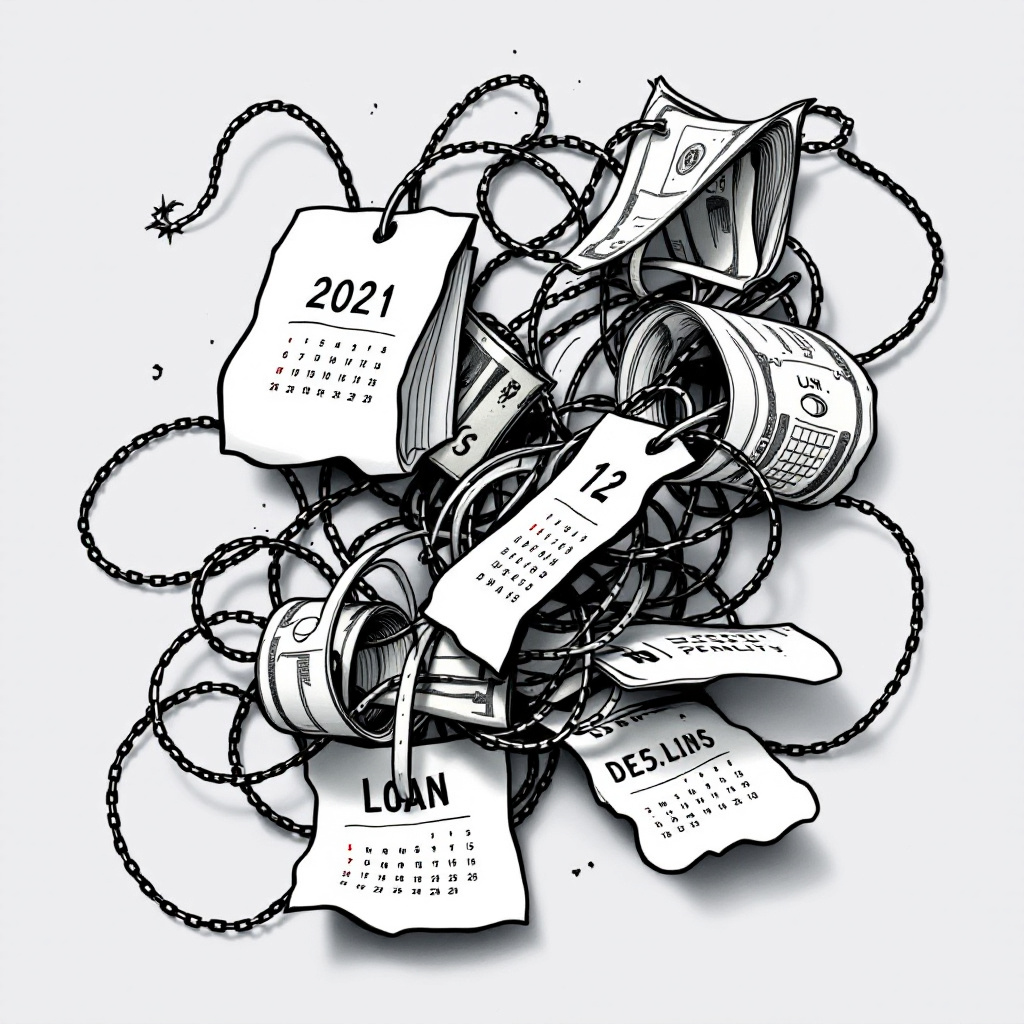

Inside the World of Payday Loans: Unraveling Repayment Structures
Picture this: unexpected expenses sneak up on you, and payday is a smidge too far away to tame the financial roller coaster. Enter payday loans—a quick-fix lending option that’s been both a friend and foe in times of monetary need. If you’re contemplating diving headfirst into the realm of payday loans, it’s crucial to be in the know about their repayment structures. This enlightening journey will steer you through the ins and outs of payday loan repayments, shedding light on potential pitfalls and how to sidestep debt traps.
Unpacking Typical Repayment Structures of Payday Loans
Payday loans, by their very nature, are designed to be short-term, high-interest loans meant to bridge the gap between financial emergencies and your next paycheck. Typically, they’re structured to be repaid in a single lump-sum on the borrower’s subsequent payday, which typically hovers around the two-week mark. Here’s how it breaks down:
- Lump-Sum Repayment: On your next payday, you’ll pay back the original loan amount plus any interest and fees, all in one go. The expectation is clear-cut, but the challenge lies in the sum’s hefty size when it coincides with regular expenses.
- Post-dated Checks or ACH Authorization: Lenders often ask for a post-dated check covering the full repayment amount or permission to electronically withdraw the money from your bank account, safeguarding their ability to collect when the due date comes around.
The simplicity here is deceiving—you borrow, then repay. Easy-peasy, right? Well, hold your horses. Things can get slippery, especially if the due date arrives before your ability to cough up the dough.

The Domino Effect of Non-Repayment: Late Payments and Rollovers
Missing that repayment deadline can set off a chain reaction of unforeseen events. Here’s a lowdown on what could unfold:
- Late Fees: Much like a sticky fly trap, missing a payment can affix a cascade of additional charges onto your already hefty repayment obligation. Late fees stack up quickly, corroding any hopes of swiftly paying off the loan.
- Rollovers: When paying your loan feels like lifting a mountain, rolling over can seem like an attractive choice. This means extending the loan term, which piles on extra fees and sometimes doubles the pinch of interest.
- Bank Penalties: Beware, if a lender tries to withdraw money from your account and you’re running on empty, banks can penalize you with overdraft fees. This adds insult to injury, blending bank charges into your cocktail of financial woes.
- Debt Cycle: Trapped in the quagmire of growing fees, borrowers often take further loans to cover previous ones, spiraling deeper into debt—a vicious cycle that unfolds quicker than one imagines.
Whoa! That’s a lot to consider. But don’t despair; there’s more to this story, and understanding what you’re up against is half the battle.
The Upside: Potential Benefits of Repayment Structures
Despite their rocky implications, payday loans aren’t all heartburn and headaches. Look beneath the surface, and you’ll find a few redeeming qualities:
- Accessibility: Many borrowers are drawn to payday loans due to their sheer accessibility. They can be availed even by those without stellar credit ratings, providing a financial lifeline in dire situations.
- Quick Process: “It’s faster than greased lightning!” Thanks to minimal paperwork requirements, the cash can be in your account in hours, flexing some serious speed when you need funds pronto.
- Clear Repayment Terms: Since the loan is to be repaid in one fell swoop, the terms leave little ambiguity. Borrowers know the exact amounts due and when, which can sometimes be easier to manage than floating monthly payments.
However, the flip side of this coin tells us that these benefits come strapped to considerable risks. Let’s plunge into the complexities of the repayments’ downsides next.
The Flipside: Drawbacks and Risks
The repayment structures of payday loans can quickly pivot from blessing to bane. Check out the sticky points:
- High Interest Rates: The interest charged on payday loans often skyrockets to astronomical annual percentage rates (APRs). It’s like buying a luxury steak at fast-food prices—deceptive and costly!
- Financial Strain: The lump-sum repayment expectation can wrench a massive chunk out of your next paycheck, potentially lining up a new financial crisis for the following month.
- Potential for Cycle of Debt: Already touched upon, this risk deserves a call-out. The vicious cycle of borrowing to repay previous loans can quickly become a quagmire from which it’s hard to extricate oneself.
- Limited Regulatory Protections: Payday loans vary considerably based on state regulations, and some areas may not offer robust borrower protections. The lack of a safety net could leave you feeling exposed and vulnerable.
Given these drawbacks, wielding payday loans responsibly and enhancing your awareness about the repayment structure is crucial. Let’s wrap things up with some strategies to sidestep the payday loan traps.
Mastering the Art of Responsible Borrowing
Adopting proactive measures and smart financial practices can keep the payday loan beast at bay:
- Set a Staunch Repayment Plan: Before borrowing, devise a robust plan for repayment. Have it etched in stone to avoid the pitfalls of missed deadlines.
- Assess Your Actual Needs: Borrow only the essential amount, no more! That extra couple of hundred bucks may seem tempting, but it’s a future you who will be footing the bill.
- Read the Fine Print: Knowledge is power. Review all details of your loan agreement to fully understand the fees, interest rates, and deadlines—and to sidestep any hidden traps.
- Explore Alternatives: Investigate other financial avenues, such as borrowing from family or friends, personal loans, or even payday advance apps. Shaking your hand free from high-interest grip could be your silver bullet!
Arming yourself with these strategies can buffer the impact of payday loans, ensuring you emerge unscathed and still on top of your financial game.
In conclusion, the world of payday loans and their repayment structures converge at an intricate crossroad of convenience and hazard. Understanding the repayment expectations, potential risks, and ways to responsibly manage your borrowing decision is indispensable. Armed with this knowledge, you can interact with payday loans prudently, ensuring your financial emergency doesn’t escalate into something downright unmanageable. Ready, set, approach with caution!
FAQs
What are the repayment terms for payday loans?
A payday loan is a short-term, high-cost borrowing option designed to be paid back by the borrower’s next payday, usually within a two to four-week period. The typical process involves writing a post-dated check or authorizing an automatic withdrawal from your account to cover the full loan amount plus fees. For example, if you borrow $300 with a $45 fee, you’ll repay the full $345 on your next payday.
How are payday loans paid back?
Payday loans are often due to be repaid in full by the borrower’s upcoming payday, which generally occurs within two weeks. To facilitate repayment, borrowers can either provide a post-dated check set to align with their next paycheck or permit the lender to withdraw funds directly from their bank account. Typically, payday lenders impose an interest charge of $15-$20 for every $100 borrowed.
How do payday loans affect your credit score?
Interestingly, payday loans seldom affect your credit score directly because most lenders do not report to major credit bureaus. However, failing to repay on time can lead to debt collection activities, which might eventually show up on your credit report and adversely affect your score. It’s critical to manage payday loans responsibly to avoid such consequences.
Can you rollover a payday loan if you can’t pay it back on time?
Yes, in some jurisdictions, borrowers can opt to rollover their payday loan if they’re unable to make timely payments. This usually entails paying an additional fee to extend the loan term, but beware—this option can quickly escalate your debt due to compounding fees and interest, potentially trapping you in a cyclical debt burden.
Are there alternatives to payday loans for short-term financial needs?
Indeed, you might consider several alternatives, such as seeking assistance from credit unions, negotiating a payment plan with creditors, using a credit card cash advance, or borrowing from friends or family. Exploring these options can provide financial relief without the high costs associated with payday loans.
