
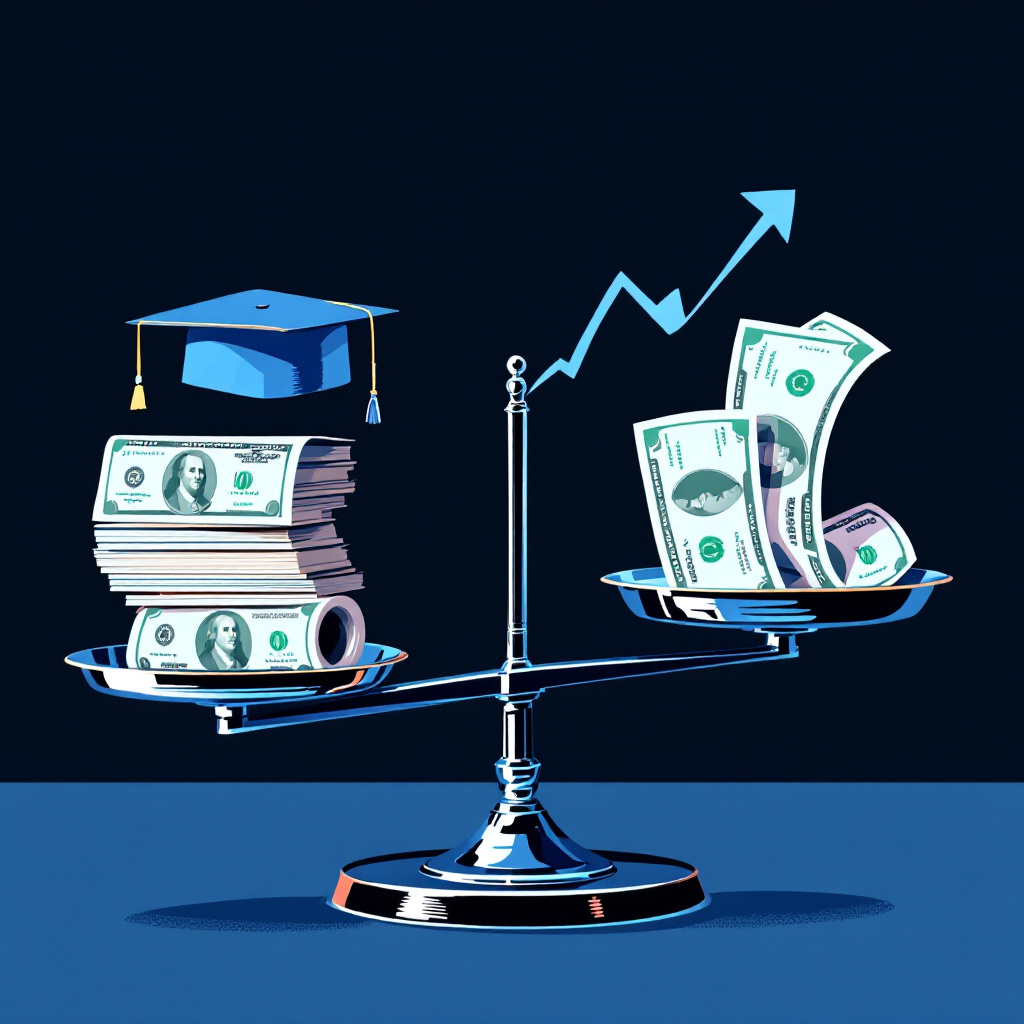

How Interest Rates Affect Student Loans: The Dance of Dollars and Cents
Ah, student loans—those infamous financial instruments that make higher education accessible, yet often leave graduates wading through the murky waters of debt for years. If you’re embarking on your educational journey, or perhaps already owe Uncle Sam a few bucks, understanding how interest rates affect student loans is crucial for navigating your repayment plan and managing that debt effectively. Let’s tear through the jargon and get to grips with the numbers, shall we?
The Basics: What Are Interest Rates and How Do They Work?
Interest rates are the cost of borrowing money, plain and simple. When you take out a student loan, you agree to pay back not only the amount you borrowed—the principal—but also a little extra to sweeten the lender’s pot. This extra comes in the form of interest. Here’s how it affects you:
- Fixed Rates: These are as steady as a rock. If your student loan has a fixed interest rate, the percentage stays the same throughout the life of your loan.
- Variable Rates: These are a bit more unpredictable, like your favorite thriller movie. They can fluctuate over time based on market conditions, impacting your monthly payment amounts.
Now, before we salsa into the realm of variable-rate loans, let’s pause to simmer on the big picture: how these rates can have a monumental impact on your pocket.
Variable-Rate Loans: A Double-Edged Sword
Variable-rate loans are famous for their initial allure. They often start off lower than fixed rates, enticing borrowers with promises of immediate savings. However, like a mischievous chameleon, they can change in an instant.
Here’s why they’re both a blessing and a curse:
- Potential for Lower Costs: Initially, you might pay less compared to a fixed-rate loan, allowing you to save some dough in the short term.
- Risk of Rate Increases: If market interest rates go up, so do your monthly payments. This unpredictability can be a budgeting nightmare!
- Long-Term Uncertainty: While a lower rate feels like sunshine and rainbows today, tomorrow could hold a storm.
When weighing your options, keep in mind your own financial situation and risk tolerance. A variable-rate loan might make sense if you plan to pay off your debt quickly or anticipate significant income growth.
The Domino Effect: How Interest Rates Impact Loan Affordability
Let’s say you’re sipping on your morning coffee when you hear that interest rates are due to climb. How does this news impact student loans, particularly variable-rate ones? It’s like watching a row of dominoes falling—one change leads to another.
When interest rates climb:
- Higher Monthly Payments: Historically low rates can tantalize with promises of affordable payments. But once those rates start climbing, monthly bills can jump, impacting your cash flow.
- Higher Total Repayment Cost: Over time, those sneaky rate increases mount up, potentially adding thousands of bucks to the total amount you’ll repay.
On the flip side, there’s a silver lining when rates fall—lower payments and reduced total costs! But, banking on such eventualities is a bit like counting on winning the lottery. Best to navigate with a firm hand on the rudder!
Financial Prognosis: Tricks to Manage Your Education Debt Wisely
While we can’t control the market conditions or interest rate fluctuations (if only!), you can keep your student loans under control with some savvy financial moves:
- Refinancing: If interest rates have plummeted since you took out your loan, consider refinancing to lock in a lower, fixed rate.
- Create a Buffer: Build a budget that factors in potential rate hikes, ensuring that you’re not caught off-guard if your payments shoot up.
- Keep An Eye on Fed Announcements: Stay informed about Federal Reserve actions, as these can offer clues about possible interest rate movements.
- Explore Income-Driven Repayment Plans: These can help manage payments if interest rates cause your student loan bills to balloon beyond your budget’s capacity.
Prepare for every financial storm, and celebrate each ray of sunshine. That way, you’ll dance around the fluctuations and keep your educational expenses in check.
The Big Picture: Making Interest Rates Work For You
Interest rates on student loans can sometimes feel like a boss you’d rather not deal with. They influence everything from your loan’s affordability to the total cost of your education debt. But with some know-how and strategic planning, you can turn the tide in your favor.
Whether you’re a student evaluating your borrowing options, or a graduate strategizing repayment, understanding how interest rates affect student loans gives you a monumental advantage. Who knew that such a small percentage could wield such power over your financial future? Embrace it, understand it, and wield its influence to maximize your financial health. Your future self will thank you for it!
FAQs
How do interest rates impact student loans?
If your loan has a fixed interest rate, you won’t experience a change over time. It’s as dependable as your morning coffee. However, if you have a variable-rate loan, you’ll likely see your interest rate fluctuate with market changes. Any interest rate increase will result in less of your monthly payment being applied to the principal, potentially elongating your repayment timeline and increasing the total interest accrued.
How does interest affect the overall cost of a student loan?
When unpaid interest capitalizes, it increases the outstanding principal amount due on your loan. This capitalization causes your interest to be recalculated based on that higher principal balance, thereby inflating the overall cost of your loan. It’s like an invisible hand reaching into your wallet and taking more than you planned!
Will Fed rate cuts affect student loans?
When the Fed cuts interest rates, borrowers with private student loans tied to benchmarks might find relief. The rates on these loans will generally decrease over a one- to three-month period following the Fed’s decision. However, this reduction doesn’t apply to federal loans with fixed rates, so don’t pop the champagne just yet unless your loans are in the private arena, where adjustments happen more fluidly.
