
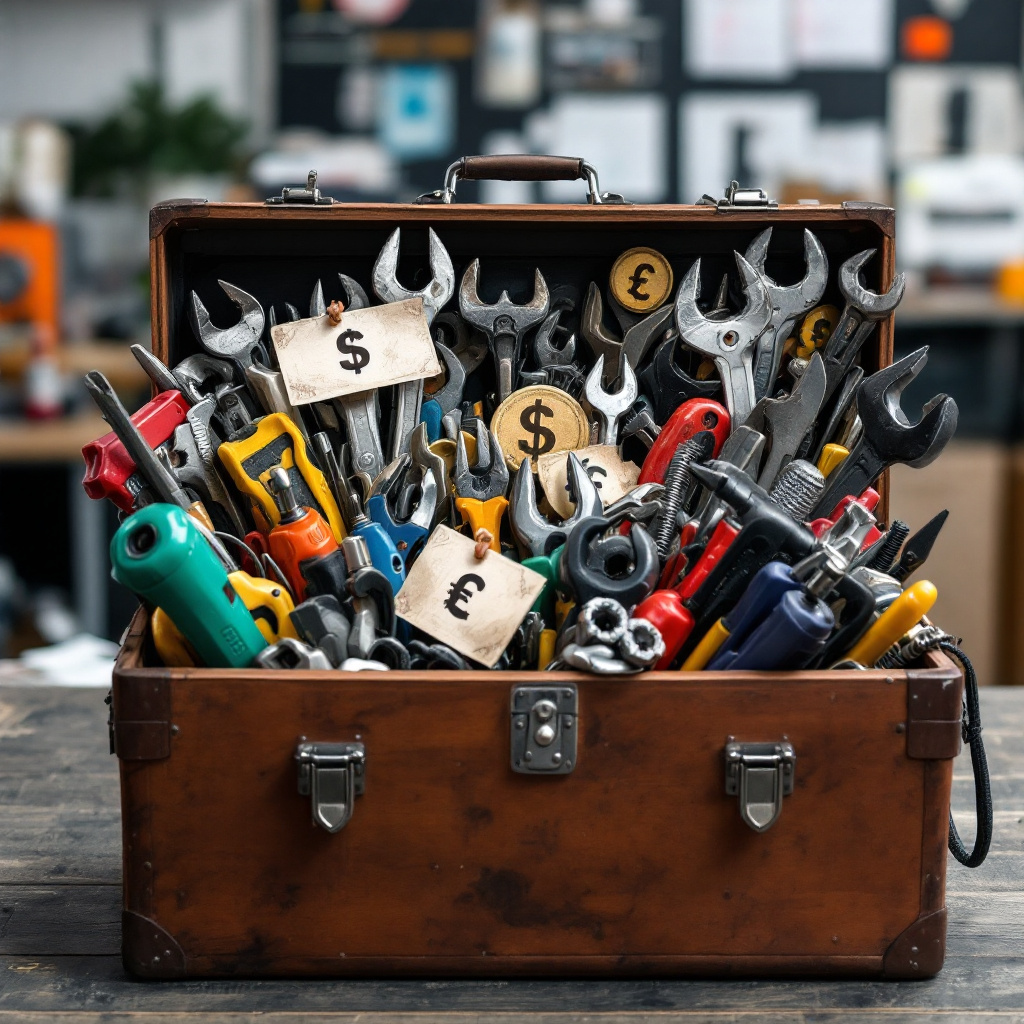

Exploring Equipment Loans: Advantages and Disadvantages for Your Business
In the bustling world of business, staying ahead often means investing in the latest and greatest equipment. Whether you’re a startup founder or a seasoned entrepreneur, the choice to purchase new machinery or upgrade existing assets can be the linchpin for growth. However, not everyone has the capital ready to make such substantial purchases outright. That’s where Equipment Loans ride in on their white horse, ready to save the day.
But, hold your horses! Like any financial decision, jumping into an equipment loan isn’t as simple as clicking ‘add to cart.’ In this article, we’ll saddle up and explore the ins and outs of equipment loans, their advantages and disadvantages, and why they might just be the best financing fit for your business.
Understanding Equipment Loans
At its core, an equipment loan is a type of business loan specifically designed to help companies purchase equipment. This could range from the tractors a farmer needs, the computers for your tech startup, or even the shiny industrial mixers for your bakery. Essentially, if it’s something tangible you can set a depreciating value on, it’s likely eligible for an equipment loan.
Wondering how these loans work? It’s pretty straightforward. You borrow a specific amount of money to purchase the equipment, and the equipment itself often acts as collateral for the loan. If you default, the lender can seize the equipment to satisfy the unpaid debt. Simple as that!

Key Features of Equipment Loans
Before diving into the pros and cons, let’s first look at some typical terms and features associated with equipment loans:
- Loan Amount: Often extends up to 100% of the equipment’s value.
- Loan Term: Generally aligns with the equipment’s expected lifespan—typically between 3 to 10 years.
- Interest Rates: Usually fixed, offering stability in budgeting.
- Down Payment: Not always required, but a down payment might enhance loan terms or reduce interest rates.
- Collateral: The equipment itself often serves as collateral.
All in all, equipment loans make financing straightforward for businesses seeking new gadgets, but they still come with their quirks.
The Bright Side: Advantages of Equipment Loans
Let’s pull back the curtain and take a peek at the benefits these loans bring to the table:
1. Quick Access to Modern Equipment
In today’s fast-paced environment, yesterday’s top-of-the-line can quickly become tomorrow’s antique. Equipment loans offer immediate access to the gear you need without sapping all of your cash reserves. This means you can stay competitive without breaking the bank.
2. Preserve Cash Flow
Operating with solid cash flow is imperative for any business. Equipment loans allow you to spread out the cost of new purchases over several years, freeing up funds for daily operations and other investments. It’s like having your cake and eating it too!
3. Potential Tax Benefits
Who doesn’t love a good tax deduction? The interest paid on an equipment loan can often be deducted, and under certain conditions, the full cost of the equipment might qualify for tax deductions under Section 179 of the IRS tax code. As always, consult your financial advisor to get the full scoop on potential tax benefits.
4. Competitive Advantage
Equipping your business with the latest machinery or tech can give you a significant edge over the competition. Whether it’s increasing capacity, reducing downtime, or offering new services, investments in the right equipment can propel you ahead in the race.
5. Builds Credit
When you take out and responsibly manage an equipment loan, it contributes positively to your business credit profile. This can beef up your credit rating, opening doors for future borrowing with potentially better terms. It’s like putting in the gym hours to bulk up your financial muscles!
The Flip Side: Disadvantages of Equipment Loans
Of course, no loan is a perfect fit for every situation, and equipment loans come with their set of drawbacks:
1. Equipment Depreciation
One of the biggest risks is that technology evolves rapidly, sometimes rendering equipment obsolete before you’ve finished paying it off. This means you might still be shelling out for equipment that’s gathering dust.
2. Initial Debt Burden
Taking on an equipment loan means adding debt to your balance sheet. For businesses already operating on tight margins or those that face volatile cash flows, this can be an added risk. It’s a bit like spinning plates; add too many, and it might all come crashing down!
3. Restrictions on Usage
Generally, the terms of the loan may specify that funds can only be used for the purchase of equipment, limiting the financial flexibility of using resources as per changing business needs.
4. Potential for Lower Over-Time Value
Equipment inevitably loses value over time. With an equipment loan, you might end up paying more for old equipment than what it’s worth at the end of the loan term. Essentially, it’s like buying a brand-new car and watching it depreciate year after year.
Who’s in the Driver’s Seat? Ideal Candidates for Equipment Loans
Equipment loans can be a godsend for many businesses, but some stand to gain more than others. Here are the types who might feel a particular affinity for these loans:
- Startup Businesses: With limited capital but high equipment needs, startups can utilize equipment loans to kickstart operations without straining their financial nest egg.
- Growing Enterprises: Businesses experiencing rapid growth may find equipment financing an ideal solution to scale operations swiftly without diverting cash flow.
- Established Companies: Older businesses looking to upgrade outdated machinery or facilities can use equipment loans to stay efficient without dipping into reserves.
- Industries with High Equipment Turnover: Sectors like healthcare, manufacturing, and tech that demand constant updates might find equipment loans particularly beneficial.
Navigating the Equipment Loan Landscape
So, you’re convinced that an equipment loan is in your future—great! But how do you navigate the labyrinth of lenders, terms, and conditions to find the best deal? Here’s how:
Do Your Homework
Compare loan offers from various banks and lending institutions. Pay close attention to interest rates, repayment terms, and the fine print on collateral conditions. Sometimes, it’s the sneaky clauses that’ll catch you off guard.
Know Your Needs
Get a clear understanding of the equipment’s cost, lifespan, and how much you stand to gain by acquiring it. Having these details in hand will help you decide whether the loan’s terms are indeed favorable.
Negotiate Like a Pro
Don’t shy away from negotiating terms with lenders. Highlight your creditworthiness or provide a solid business plan to sway the terms in your favor. Remember, every lender has some wiggle room!
Final Thoughts
Navigating the world of business financing can feel like walking a financial tightrope. Equipment loans offer a way to upgrade and stay competitive without draining your resources. Yet, they demand thoughtful consideration and strategic planning. By weighing the advantages against the pitfalls, and understanding your business needs and capacity, you can make informed decisions that keep your venture humming along smoothly.
Now that you’re armed with the know-how on equipment loans, take these insights and stride confidently towards making decisions that power your business towards success.
FAQs
Are equipment loans easy to get?
One of the advantages of equipment loans is their relatively straightforward qualification process compared to other types of financing. Many lenders set a minimum credit score requirement, often starting around 575 or 600, though this can vary. Generally, because the equipment itself serves as collateral, lenders are more lenient with their criteria.
Who offers the best equipment financing?
The best option can vary based on your business’s unique needs, but some popular choices among borrowers include:
- Best Overall: Crest Capital.
- Best for Expanding Businesses: National Funding.
- Best for Bad Credit: Currency.
- Best for Heavy Equipment: Balboa Capital.
- Best for Used Equipment: US Business Funding.
- Best for Large Loans: CIT Bank.
Each lender has its strengths, so it’s worth shopping around to find the best fit for your business’s equipment needs and financial situation.
What credit score is needed for an equipment loan?
Minimum credit score requirements can vary, with some lenders accommodating scores as low as 500. Besides your credit score, lenders typically review the age of your business and overall financial health to determine eligibility. They want to ensure you have the ability to repay the loan while maintaining operations.
How long does it take to get an equipment loan?
The approval and funding timeline for equipment loans can vary depending on the lender and your financial documentation’s readiness. In many cases, you could receive approval and funds within a few days to a week. Having all necessary documents at the ready, such as financial statements and credit history, can streamline the process significantly.
