
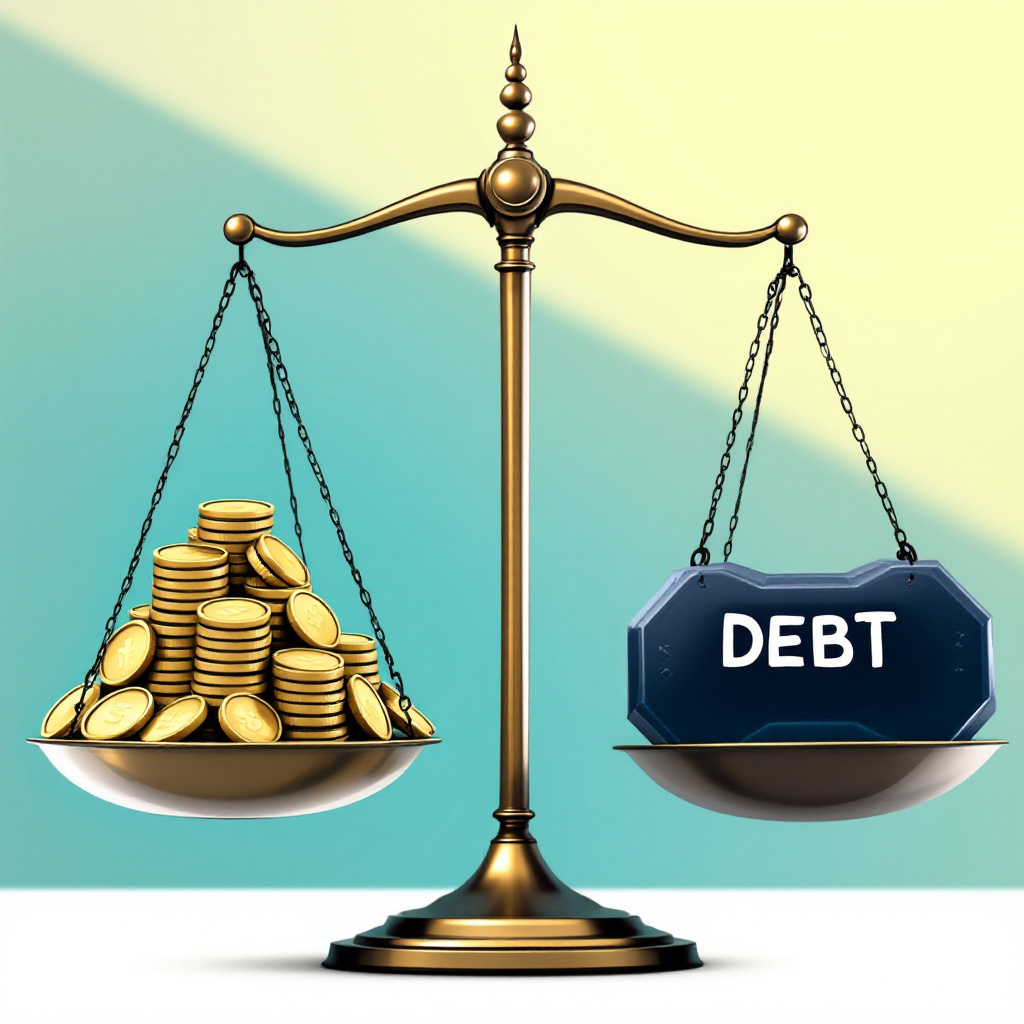

The Double-Edged Sword: Disadvantages of Business Loans
In the dynamic world of entrepreneurship, the allure of business loans as a financial lifeline is often undeniable. For many enterprises, these loans can act like a turbo boost, providing that crucial influx of cash needed to take off. But wait, there’s more to that story. As much as we’d love to paint business loans as a magical solution, the truth is there’s another side—potential downsides that could trip you up if you’re not careful. Let’s dive into the disadvantages of business loans, mixed with a splash of reality, to help you make the best decision for your business ventures.
Interest Obligations: The Costly Commitment
First things first, the not-so-pretty part of taking a loan: interest rates. Borrowing money is never free, and lenders always expect something in return. Like a ticking clock, interest obligations can be a constant reminder of the focused commitment you’ve taken on. Here’s what you should consider:
- Increasing Costs Over Time: Depending on the interest rate, a business loan can balloon into quite the financial burden. It’s not uncommon for business owners to almost double the payback amount compared to the original loan amount.
- Variable Interest Rates: Some loans come with variable interest rates, which can suddenly increase with market fluctuations. It’s like playing a financial guessing game—with your business on the line.
For many, managing these interest obligations becomes a juggling act, often leaving companies scrambling to scrounge up extra cash each month to meet payments rather than reinvesting profits back into the business.

The Risk of Debt: A Slippery Slope
Tackling debt is like walking a tightrope. Too much debt can take the wind out of your company’s sails, leading to a rocky path where paying back becomes the only focus. It’s a trap business owners can find themselves in without realizing it. Consider these pitfalls:
- Debt Accumulation: One loan can lead to another, leaving you knee-deep in financial commitments.
- Credit Rating At Risk: Miss a payment, and your credit score could take a hit, making future borrowing a tougher nut to crack.
Every business owner should weigh the potential growth (with responsibility) against the looming clouds of debt. A mismatch can sometimes result in financial turbulence that’s hard to navigate.
Terms of Repayment: Tied to a Timetable
Ah, the dreaded repayment terms. Loans often come with strings attached, and repayment schedules are undoubtedly among the sturdier ones. For better or worse, loan agreements need to be adhered to, come rain or shine, which can pose several challenges:
- Fixed Repayment Periods: These clockwork schedules require businesses to make regular payments regardless of the current cash flow or economic conditions.
- Prepayment Penalties: Some lenders impose penalties for paying off a loan early. Ironically, this means even good fortune can cost you.
The pressure can make or break a business, especially when unforeseen circumstances hit with the force of an iceberg. Flexibility is crucial, and rigid repayment terms can make navigation through stormy financial seas particularly daunting.
Collateral Damage: More Than a Just Figure of Speech
Let’s not forget about collateral—a crucial factor you might be required to put on the line when securing a business loan. It’s a gamble that leaves many with hearts pounding and not always in a good way:
- Asset Risk: If unforeseen circumstances prevent timely payment, the collateral you put up could be claimed by the lender, leaving you with fewer assets and more reasons for financial worry.
- Increased Pressure: The knowledge that your assets are tied up can weigh heavily on decision-making processes, stressing managers and altering the natural flow of operations.
When a loan is secured by something tangible, the consequences of failure extend beyond the bottom line and creep into the heart of business operations.
Reduced Business Flexibility: Stiffening the Sails
As if financial obligations weren’t enough, there’s another challenging aspect of business loans that frequently gets swept under the rug: reduced business flexibility. With a loan commitment hanging over your head, wriggle room is often in short supply:
- Limitations on Future Investments: Paying off a loan can sap funds that might otherwise be used for exploratory ventures or seizing unexpected opportunities.
- Operational Constraints: The need to meticulously adhere to the repayment structure can limit the agility required for rapid decision-making.
Business loans can, paradoxically, sometimes stifle the very growth they’re meant to encourage. Many a business has found its creative juices atrophying under the weight of fiscal demands.
The Bigger Picture: Navigating the Complex Labyrinth of Business Loans
Here’s the naked truth: Business loans are neither purely good nor irredeemably bad. They have advantages—oh yes, they do. But the disadvantages of business loans, often camouflaged in enticing promotional pitches, deserve a thorough examination. Through careful financial planning, a touch of realism, and a balanced view, businesses can better position themselves to benefit from loans without succumbing to their possible drawbacks.
Adequately informed of these potential pitfalls, you’re now in a better place to make enlightened decisions regarding the future of your business. Whatever path you choose, remember it’s all part of the entrepreneurial tango—a dance of risk and reward, where each step must be taken with thoughtfulness and a sprinkle of strategic insight.
With this nuanced understanding, you can approach the subject with the knowledge—and respect—it deserves. Now, aren’t you intrigued to weigh the scales and map out your next financial move?
FAQs
What are the disadvantages of business finance?
The disadvantages of using business finance are the addition of interest payments, lender service fees, and potential legal costs. This form of financing can increase the overall cost of supporting your business compared to using your own capital. The more you rely on external financing, the higher your monthly expenses, which can put a strain on cash flow.
What are the advantages and disadvantages of a business loan?
The advantages of a business loan include immediate access to capital, potential tax benefits, and the ability to seize growth opportunities. However, the disadvantages often comprise interest obligations, the risk of accumulating debt, and less flexibility in financial decisions due to stringent repayment terms. Carefully weighing these factors can help you decide if a loan aligns with your business goals.
Is taking a business loan a good idea?
Taking a business loan can indeed be a good idea if you’re looking to expand operations, manage unexpected costs, or boost cash flow. It’s essential to approach this decision with diligence by researching your options, evaluating various lenders, and comparing interest rates. An informed choice will mitigate risks and align funding with your business needs.
How do loan repayment terms affect business flexibility?
Loan repayment terms can significantly impact business flexibility by locking you into fixed schedules that must be adhered to, regardless of business performance or changing market conditions. This rigidity could limit your ability to invest in new opportunities or adapt quickly to unforeseen circumstances, making strategic agility a challenge.
Why should a business be cautious about accumulating debt?
Businesses should be wary of accumulating debt as it can lead to a precarious financial situation where managing repayments overtakes other business priorities. High levels of debt can affect cash flow, reduce creditworthiness, and limit future borrowing capacity, making it essential to balance growth against the risk of over-leverage.
