

Exploring the World of Debt Consolidation Loans: Advantages and Disadvantages
Imagine trying to keep several juggling balls in the air simultaneously. That’s what it can feel like when you’re dealing with multiple debts. If you’re nodding along and saying, That’s me! you might be relieved to know that debt consolidation loans could be your ticket to simplifying your financial mess. But, as with any major financial decision, it’s essential to weigh the pros and cons before diving in. Let’s take a closer look at what debt consolidation loans are all about and how they could potentially work for you.
What Are Debt Consolidation Loans?
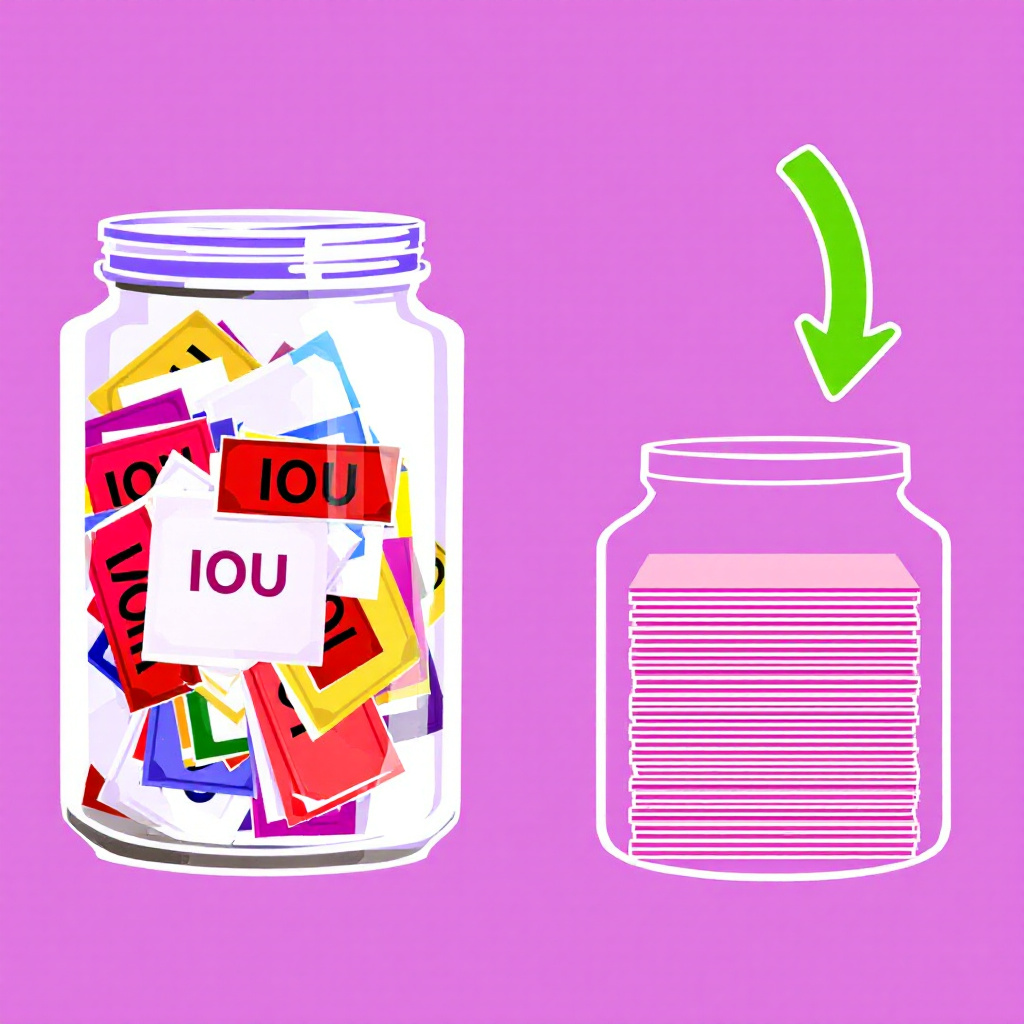
Let’s start by breaking it down. Debt consolidation loans are designed to sweep up several high-interest debts—like those annoying credit card balances—and combine them into a single loan, ideally with a lower interest rate. It’s like tidying your financial closet all in one go!
This strategy can be a godsend for those feeling overwhelmed by a myriad of debt obligations. Instead of keeping track of multiple due dates, interest rates, and minimum payments, you get the convenience of handling just one monthly payment. Sounds like a breeze, right? Well, let’s uncover a bit more.

The Sweet Draw: Advantages of Debt Consolidation Loans
You may be wondering why you’d want to consider bundling all your debts together. Besides the obvious convenience, here are some other sweet benefits that come alongside debt consolidation loans:
- Lower Interest Rates: By replacing those pesky high-interest debts (we’re looking at you, credit cards!) with a single loan, you might snag a much more attractive interest rate. This could make a world of difference in what you end up paying in the long run.
- Streamlined Finances: No more juggling! Debt consolidation simplifies your life by consolidating all those monthly payments into one. It’s like music to your ear and rhythm to your budget.
- Improved Credit Score: Initially, there might be a small ding to your credit score. But hang tight! Over time, making consistent payments on your consolidation loan can actually help boost your credit score.
- Fixed Repayment Schedule: No more surprises with fluctuating minimum payments. With a fixed repayment schedule, you know exactly how much you owe each month and when this financial chapter will come to an end.
- Psychological Relief: Sometimes, sweeping everything into one tidy package can just make you breathe a little easier. It’s like having a weight lifted off your shoulders.
That’s a lot to love, isn’t it? But hold your horses; With great power (or in this case, ease) comes great responsibility. Let’s weigh in on the potential pitfalls.
The Other Side of the Coin: Disadvantages of Debt Consolidation Loans
Before getting starry-eyed about the idea, let’s take an honest look at the flip side. Here are some considerations to keep in mind:
- Limited Savings: Lower monthly payments might mean extending the loan term. It could result in paying more interest over time, even if the rate is lower.
- Underlying Financial Issues: Consolidation treats the symptoms, not the disease. If spending habits or impulse buying prompted your debts, it might be time for some financial soul-searching.
- Risk of Accumulating More Debt: With credit cards paid off, there might be a temptation to use them again. Remember, the goal is to move forward, not dig a deeper hole.
- Potential Fees: Some lenders may charge application or origination fees, sneaking up on you when you’re least expecting it—keep an eagle eye on those terms and conditions!
- Collateral Requirement: If you’re opting for a secured debt consolidation loan, prepare to offer collateral—usually home equity. Weigh the risks before putting your home on the line.
Treading lightly? Smart move. Knowledge is power when it comes to making informed decisions.
Considerations Before You Jump In
Now that you’re armed with knowledge about debt consolidation loans, it’s time to ponder and plan. Here are a few things to keep tucked into your thought process:
- Assess Your Debt: Take a clear-eyed inventory of your debts. We’re talking balance, interest rates, and loan terms. Knowing exactly what you owe is crucial before moving forward.
- Evaluate Loan Offers: Shop around like a savvy consumer and weigh different offers. Don’t hesitate to negotiate for better terms.
- Calculate the Total Cost: Remember, the goal is to simplify and save—not to shift debt around. Calculate the total cost, including all fees, over the life of the loan to ensure you’re getting a deal.
- Commit to Good Financial Habits: Consolidating debt is a marathon, not a sprint. Commit to managing your budget and staying on top of payments.
- Seek Professional Advice: When in doubt, consulting a financial advisor can provide tailored insights to help you decide if consolidation is the right step.
While it might sound cliche, it really is better to be safe than sorry, especially when dealing with finances.
Alternatives to Debt Consolidation Loans
Okay, so maybe debt consolidation loans aren’t the golden ticket you hoped for. No worry! There are other avenues you can explore:
- Debt Management Plans (DMP): Managed by credit counseling agencies, DMPs can help you negotiate better terms with creditors and manage your debt payments.
- Balance Transfer Credit Cards: Transfer high-interest credit card debt to a single card with a low (or even 0%) promotional interest rate. Just remember the rate will climb after the promo period.
- Personal Loans: If your credit score is good, a personal loan might be an alternate route, offering a fixed rate and amount.
- Home Equity Loans/Lines: Tap into the equity of your home to pay off debt. Be cautious, as your home is collateral.
With options aplenty, weigh each one against your unique financial situation to find the best fit for your path forward.
To Conclude: Is a Debt Consolidation Loan Right for You?
Debt consolidation loans offer individuals a chance to step off the carousel of juggling various debts and payments, allowing for one single focus at a potentially lower interest rate. But, as we’ve discussed, it’s not all sunshine and rainbows. Missteps can lead to even more financial pressures.
By understanding both the benefits and potential pitfalls, you’ll be well-equipped to make the best decision for your finances. Whether it’s simplifying your financial landscape or paving a way to a brighter financial future, a debt consolidation loan could be exactly what you need—or it could be the stepping stone to considering other alternatives.
In the end, it’s essential to be transparent with yourself about your financial habits and goals. Ultimately, making informed choices will light the path to debt freedom and financial peace of mind. Here’s to a brighter, debt-managed future!
FAQs About Debt Consolidation Loans
Do consolidation loans hurt your credit score?
Debt consolidation loans can temporarily ding your credit score, as opening a new line of credit may lower your average account age and lead to a hard inquiry on your credit report. However, if you make consistent, on-time payments on your consolidation loan, your credit score is likely to rebound and potentially improve over time.
Is it hard to get a debt consolidation loan?
Generally, lenders prefer a credit score of at least 700 for offering competitive interest rates on debt consolidation loans. That said, a lower credit score doesn’t automatically spell disaster. Some lenders cater specifically to those with less-than-stellar credit, but expect higher rates in such cases.
Is it smart to get a personal loan to consolidate debt?
In many cases, using a personal loan to consolidate debt can be a savvy move. It simplifies your financial life by reducing multiple payments to one, often with a lower APR than individual high-interest debts. However, the key lies in diligent financial habits, ensuring you make timely payments to maximize this opportunity.
What types of debts can be consolidated?
Debt consolidation loans are versatile and can cover a range of unsecured debts, including credit card balances, personal loans, medical bills, and even some student loans. However, it’s crucial to verify with your lender which specific debts they allow you to consolidate.
Are there any fees associated with debt consolidation loans?
Yes, there can be. Some lenders impose origination fees, processing fees, and even prepayment penalties for early loan repayment. Always scrutinize the fine print and total cost before signing on the dotted line to prevent any unwelcome surprises.
