


Credit Strategies During Divorce: Navigating Your Financial Future
Going through a divorce is like untying a knot, one that once bound lives, love, and finances intricately together. As emotionally taxing as divorce can be, it’s crucial not to let the emotional tsunami cloud your financial judgment, particularly when it comes to credit. Many individuals find themselves ill-prepared to deal with the nuances of credit management when their life takes this unforeseen turn. Understanding the best credit strategies during divorce can spell the difference between financial clarity and chaos.
Understanding the Credit Impact of Divorce
Divorce might disrupt your life in ways you didn’t expect, with your credit score often facing collateral damage. Many people aren’t aware that divorcing a spouse doesn’t automatically divorce you from financial ties established during your marriage. Joint accounts, shared debts, and even your partner’s financial habits can dangle precariously over your credit score like a sharp sword.
First things first: know where you stand. Obtain your credit report and review it meticulously. Doing so provides a clear snapshot of your financial landscape, spotlighting shared responsibilities that need addressing. It’s much like performing a health check-up for your finances, guiding you on what requires immediate attention and what can be left for later.
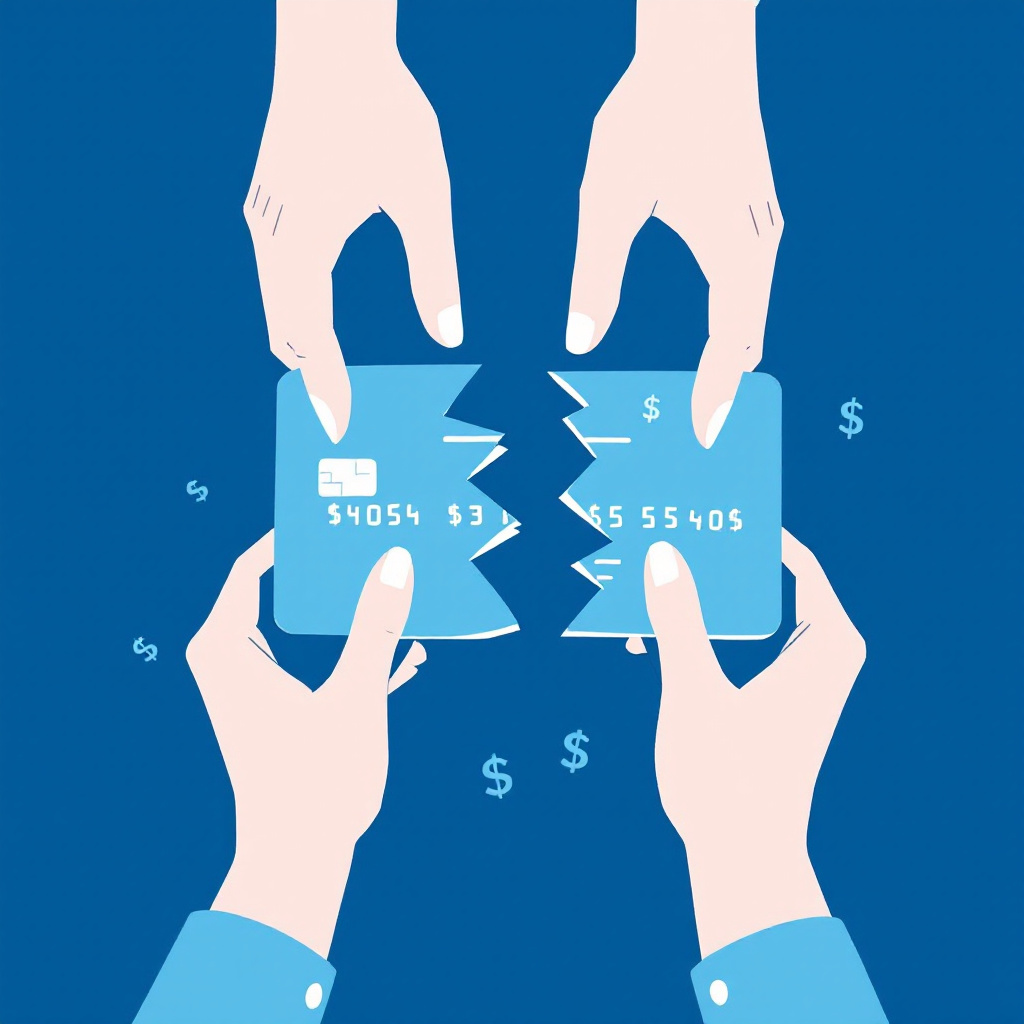
Closing Joint Accounts
One of the most significant steps in managing credit during divorce is closing or separating joint accounts. Hanging onto them is like dancing on thin ice—you’re bound to slip at some point. Here’s why:
- Shared Responsibility: Both parties are liable for any debts on those accounts. If your ex defaults, guess who’s also liable? Yep, you guessed it—you.
- Credit Score Impact: Missed payments or increased balances on these accounts will hurt your score, and it won’t be pretty.
Reach out to creditors and inform them of your situation. Depending on your circumstances, you might convert joint accounts to individual ones or simply close them. It’s essential to communicate with your ex-partner during this transition. After all, you’re both in this boat, and sinking it doesn’t favor either of you.
Dividing Debt Responsibility
Dividing assets during a divorce is one thing, but dividing debt is an entirely different beast. A common misconception is that the divorce decree settles everything. However, that decree doesn’t override original agreements with lenders or creditors. Therefore, it’s crucial to establish who’s responsible for what.
Here’s how you can divvy up debts responsibly:
- List All Debts: Create a comprehensive list of all debts—credit cards, mortgages, personal loans, etc.
- Negotiate Fairly: Work together, perhaps with the aid of an attorney or financial advisor, to allocate debts fairly based on income, earning potential, and other factors.
- Transfer and Pay: If possible, transfer each debt into the responsible party’s name or pay off joint debts to sever this financial tie completely.
Clear communication with creditors regarding these changes ensures everyone’s on the same page, safeguarding your credit standing.
Protecting Your Credit Score
With divorce, the financial fragmentation may tempt you to stick your head in the sand. But heed this: ignoring the issue is like hoping a sunken ship will somehow float. So, take proactive measures:
- Monitor Credit Reports: Regular checks help catch errors or unauthorized activities early. Keeping a watchful eye on your credit score is like having a lighthouse guide you through stormy seas.
- Clear Communication: With creditors and your soon-to-be-ex, keeping communication lines open helps avoid missed payments and unwelcome surprises.
- Establish Individual Accounts: Start building your own financial identity with new accounts, standing strong on your own financial footing.
Rebuilding Your Credit Post-Divorce
The dust has settled, the ink on the divorce papers is dry, and you stand at the cusp of a new beginning. Now, it’s time to rebuild your credit. Much like piecing together a puzzle, it requires patience and perseverance.
Here’s a plan to get back on a stable path:
- Create a Budget: With your new financial status, drafting a realistic budget acts as your financial roadmap, guiding expenditure and savings.
- Use Credit Strategically: Apply for a secured credit card or credit-builder loan. These tools can aid in building a positive credit history.
- Pay Bills on Time: Timely payments contribute positively to your credit score. It’s a simple yet powerful step.
Every journey begins with a single step. Reestablishing your credit might look daunting initially, but with consistent effort and strategic planning, you’ll emerge financially sound on the other side.
Embrace Financial Independence
Divorce is undeniably a fork in the road of life, leading you down paths you never imagined. However, it also offers an opportunity to cultivate financial independence. Equip yourself with the best credit strategies during divorce, ensuring your financial house is in order during this transition. After all, the sun will shine on you again—financially and personally.
By taking control of your credit and financial responsibilities, you pave the way for a secure and financially independent future. As the saying goes, every cloud has a silver lining, and your newfound financial freedom could be yours.
Remember, you’re not alone in this journey. Seek advice, communicate openly, and stay committed to your financial well-being. After the storm, clearer skies await.
FAQs About Credit Strategies During Divorce
How do I protect my credit during a divorce?
A tried-and-true method is to consider freezing your credit. This step prevents any unauthorized activity and can be done at no cost by contacting each of the three major credit bureaus. You might freeze it temporarily or keep it frozen and only thaw it when you’re applying for new credit. Remember, it’s like locking your front door—do it consistently for peace of mind.
Who suffers most financially in divorce?
Research suggests that women tend to bear a more significant financial burden post-divorce. However, this might have more to do with household dynamics and income disparities rather than simply gender. Whomever was the lower earner or who took career breaks for family reasons might find themselves at a disadvantage.
How to handle finances during a divorce?
Start by opening a new individual checking account. This step is crucial for managing your finances independently and ensures that your personal deposits and expenses remain separate. You might also open a savings account to begin building your financial cushion. Remember, separating your finances is the first step toward reclaiming your financial independence.
