
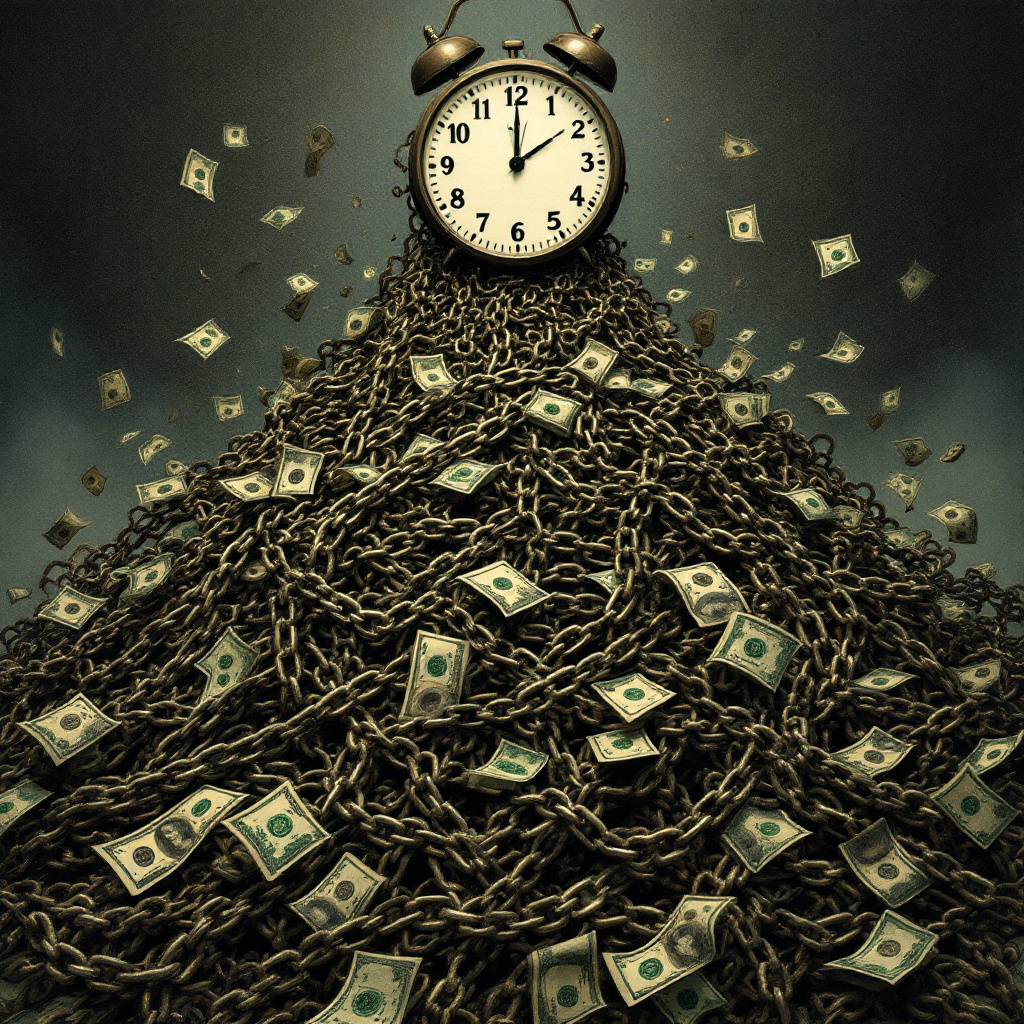

Unmasking the Pitfalls: Disadvantages of Payday Loans
The allure of quick cash can be irresistible when you’re in a tight spot. Payday loans promise exactly that—a fast, short-term financial fix when bills are nipping at your heels. But hold your horses! These loans often come with strings attached, which might just set you on a financial roller coaster you didn’t sign up for. Let’s delve into the lesser-known side of payday loans and uncover why they might not be the white knight they’re made out to be.
Welcome to the Wild West: Understanding Payday Loans
Before diving headfirst into the drawbacks, let’s paint a picture of what payday loans are. These are short-term loans, usually due on your next payday. They’re designed to help you manage emergency expenses, and the process is famously fast—sometimes taking just minutes. However, with speed comes the danger of slipping down a slippery slope.
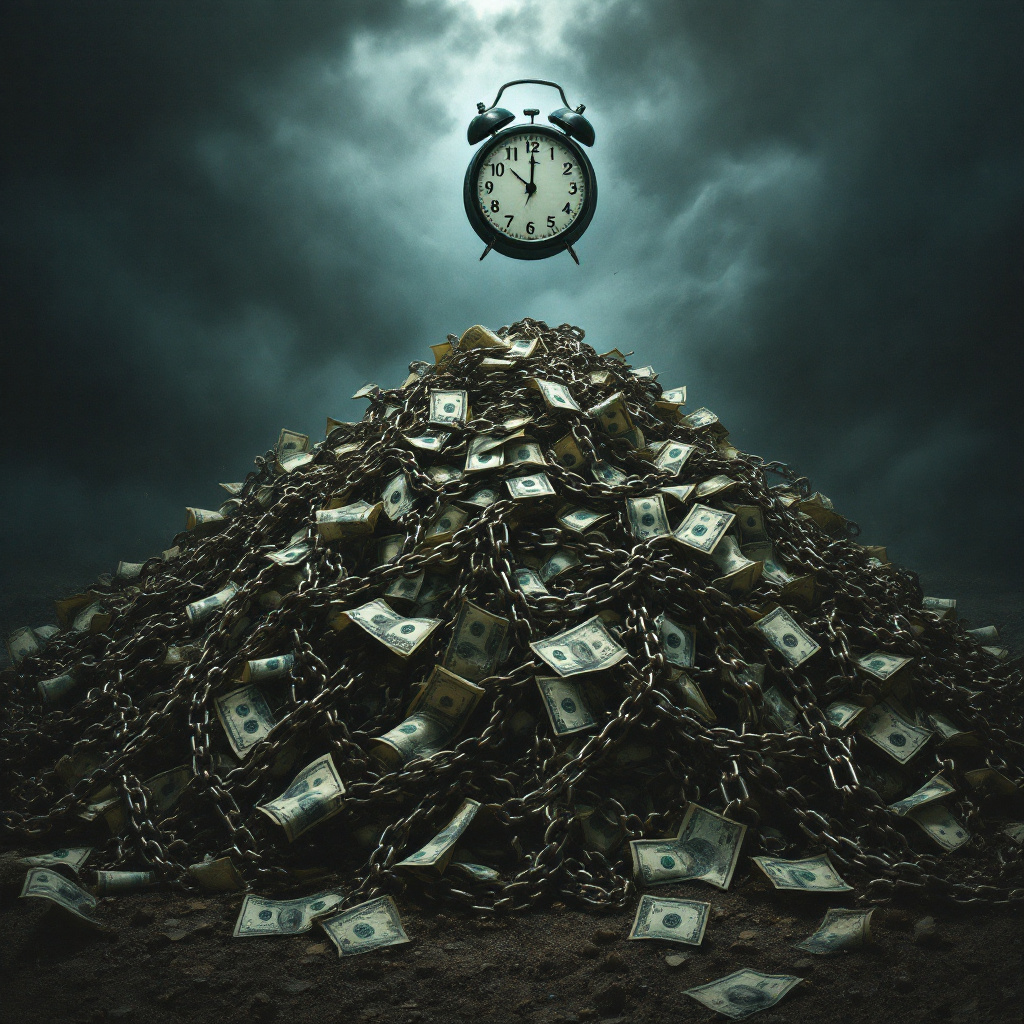
The Devil’s in the Details: High-Interest Rates
Brace yourself for the first jaw-dropper: the interest rates. While a high-interest credit card might have an APR of 28 to 36%, payday loans laugh all the way to the bank with an average APR of a staggering 398%. That’s like paying $15 to $20 for every $100 borrowed, just for two weeks. The numbers might give anyone a serious case of sticker shock.
This high cost of borrowing is one of the primary disadvantages of payday loans, effectively doubling down on your financial woes instead of alleviating them. Many borrowers find themselves taking out another loan to pay off the previous one, a cycle that’s as common as it is dangerous.
The Short and Not-So-Sweet Repayment Terms
Payday loans are notorious for their brevity. Most are due within two weeks to a month. While this might not seem like a big deal, it limits your financial flexibility. In such a short period, repaying the loan plus the sky-high interest can feel like trying to squeeze blood from a stone.
Imagine scrambling to gather funds to cover your loan when your paycheck barely stretches to cover existing expenses. It’s a scenario many find themselves in, realizing too late the tight tether they’ve signed up for.
A Tale of Two Futures: The Risk of Debt Cycles
The cycle of debt is perhaps the most insidious disadvantage of payday loans. Once caught, getting out is no easy feat. It usually starts with a singular inability to pay back the initial loan within the prescribed term. So, you take another loan with equally high interest. And another. This creates a domino effect, each loan stacking the odds further against you.
This endless cycle strips borrowers of financial freedom, leaving them perpetually stuck in a state of repayment anxiety. And the beat goes on.
Predatory Practices: More Than Just a Buzzword
There’s a reason why payday loans are often branded as predatory. They target individuals in precarious financial situations, those less likely to meet the stringent criteria of traditional loans. And while seemingly helpful, the caveat is that the terms are designed to bleed borrowers dry, maximizing their profit off desperation.
When you’re desperate, you tend to overlook the fine print—something payday lenders bank on. It’s crucial to keep your eyes peeled and your wits sharper than ever.
The Domino Effect: Impact on Credit Scores
Contrary to what some might believe, payday loans do little to improve your credit score. Non-payment or constant refinancing, however, will have a positive effect—just not the kind you want. Often, failing to meet the repayment schedule leads lenders to turn your account over to collections, which wreaks havoc on your credit score.
A tanked credit score can take years to rebuild, affecting everything from your ability to get credit approval in the future to negotiating interest rates.
Alternatives Galore: You’re Not Out of Options
Feeling like payday loans might not be your cup of tea? You’re not alone. The good news is there are alternatives for those who want to keep their finances on a more even keel:
– Personal Loans: Offered by banks and credit unions, these often have lower interest rates and more extended repayment periods.
– Credit Card Cash Advances: While not recommended regularly due to their own high-interest rates, they are often lower than payday loans.
– Local Nonprofits and Charities: Some organizations offer financial assistance or low-interest loans for those in a bind.
– Borrowing from Friends or Family: This won’t carry the financial penalties of a payday loan, though it’s always good to ensure this doesn’t strain relationships.
Knowledge is Power: Making an Informed Decision
Navigating financial uncertainty is tough, and payday loans promise a quick fix. However, as we’ve unmasked, the disadvantages of payday loans aren’t just small print warnings—they represent significant risks that can jeopardize your financial well-being. Armed with this information, approach payday loans with a critical eye and a calculator in hand, and explore alternatives that might better serve your needs.
In the world of finances, the only thing that should be quick is the time it takes to make an informed, smart decision. After all, a stitch in time saves nine.
FAQs
What is the biggest disadvantage to a payday loan?
Payday loans have several drawbacks, but their biggest disadvantage is undoubtedly their cost. The steep interest rates make them very expensive, sometimes climbing into the triple digits annually. Furthermore, these loans are considered predatory as they often trap borrowers in cycles of debt. Lenders typically have access to your bank account, and some use aggressive collection practices, adding to the financial stress.
What is the problem with payday loans?
The primary issue with payday loans is their exorbitant fees and interest rates. While $75 might seem reasonable at first glance on a $500 loan, this interest is for a short term, typically two weeks. When annualized, this interest rate skyrockets to nearly 300%, making it a far more costly borrowing option than it initially appears.
Why should you avoid payday lenders?
Payday loans are rarely the solution to financial woes. These loans are structured to entrap you into a cycle of debt due to their high fees and short repayment terms. While they might offer a temporary reprieve until payday, they often leave you cash-strapped by the time your next paycheck arrives, necessitating further borrowing and perpetuating the cycle.
