
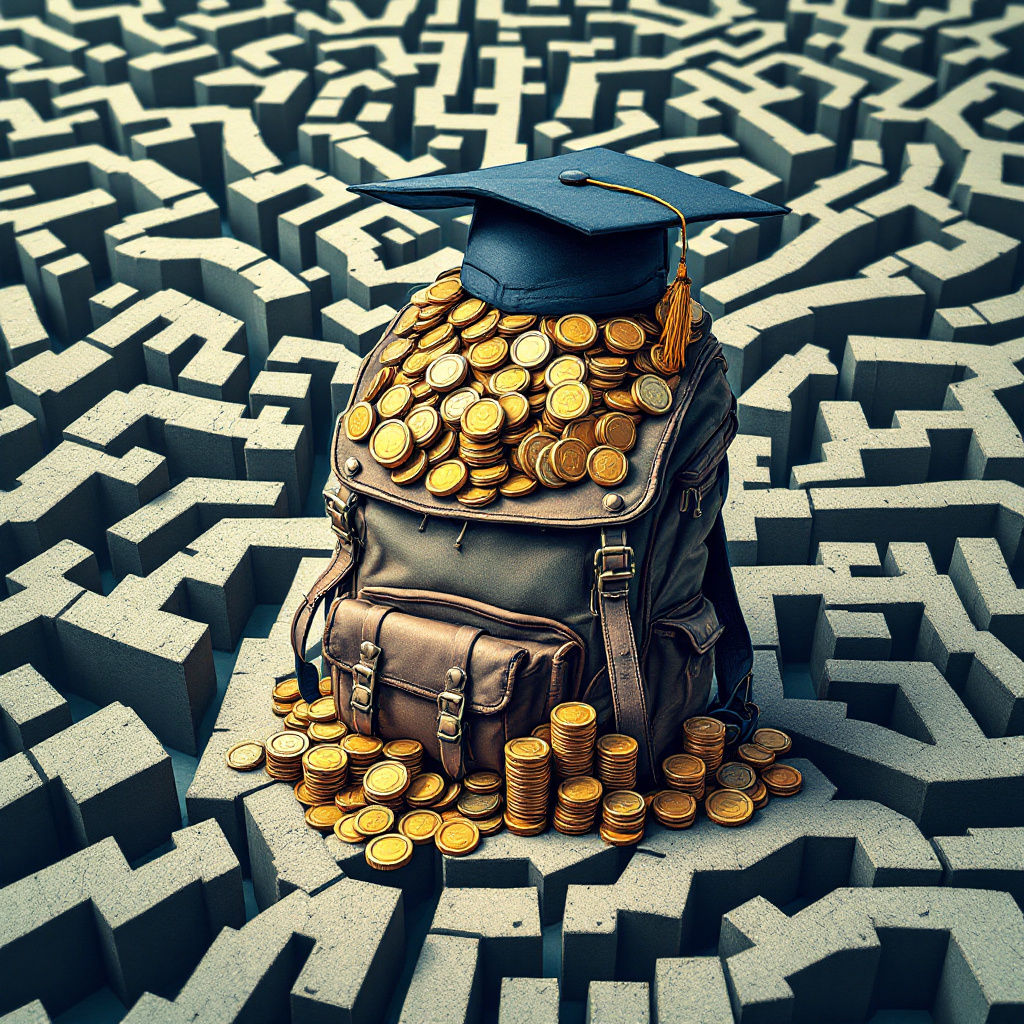

The Untold Saga: Disadvantages of Student Loans
The epic journey of academia often leads many an aspirant to the intimidating doorstep of student loans. While these loans might seem like trusty sidekicks on an educational quest, they can sometimes betray us with the baggage they bring along. So, let’s pull back the curtain on the Disadvantages of Student Loans and explore the more sinister side of borrowing for education.
Accumulating Debt: The Snowball Effect
Saddling oneself with a student loan sometimes feels like wrestling with an anaconda—on a roller coaster. You’re strapped in and the ride has begun, but the tightening vise of debt is closing in.
- Mounting Interest: Unlike fine wine, interest doesn’t get better with age—instead, it compounds, transforming a seemingly manageable loan into a financial hydra. Imagine accruing interest during college and then realizing the final total resembles more of a mountain than a molehill.
- Deferred Bills: Tempted by the siren call of deferred payment? You’re not alone. Many students opt to delay payments until after graduation, not realizing they’re postponing the inevitable showdown with a bulked-up debt.
- Capitalization Trap: When unpaid interest is added to the principal balance of your loan, it sets the stage for a nightmare. Capitalization turns a gentle snowball into an unstoppable financial avalanche.
Interest Costs: The Hidden Menace
Ah, interest—the sneaky cost hitching a ride on your student loan. While many may argue its necessity, the cloak of invisibility it wears often leaves students blindsided.
- Variable Rates: Some might think, What harm can a slight ebb and flow of interest rates do? But these variations can drastically alter the landscape of repayment, occasionally leaving students adrift amid unexpected spikes.
- Interest During School: Federal unsubsidized loans, along with most private loans, accrue interest while you’re still burning the midnight oil, setting the trap for an expensive surprise post-graduation.
- Inflexible Terms: Unlike your Netflix subscription, there’s no pause button here. Monthly payments demand consistency, interest in tow, many years into your professional life.
Repayment Challenges: Walking a Tightrope
Once the diploma is in hand, another dance begins—the delicate ballet of repayment. However, life seldom follows school timetables, and many find themselves caught in a tangle of financial obligations right out the gate.
- Career Stagnation: Thousands of freshly minted graduates find themselves refusing dream jobs for financially safer but passionless alternatives, all for the security of stable repayments.
- Delayed Milestones: With the shadow of student debt overhead, many postpone pivotal life milestones—buying a home, starting a family, or traveling. Oh, the places you want to go… if only your budget allowed!
- Credit Woes: An unpaid loan can slip through the cracks, setting up a date with the dreaded credit score decline. As financial institutions cast wary glances toward tarnished scores, borrowing becomes a higher hurdle.
- Loan Delinquencies: Defaulting on loans isn’t just a financial blunder; it’s an anchor that can drag down future prospects. With it comes a flurry of penalties, interest hikes, and possibly even garnished wages.
Psychological Toll: The Heart of the Matter
Beyond bank accounts and spreadsheets, student loans weave themselves into the very fabric of our lives, casting a long shadow over mental well-being.
- Anxiety and Stress: One might think that a graduation cap dispels worries, yet many find themselves awake at night, fretting over monthly payments and financial futures tied to the whims of interest rates.
- Career Paralysis: Shackled by the necessity of repayment, individuals often stick to unfulfilling career paths simply for the stability they offer, crippling career exploration and growth.
- Relationship Strain: Financial stress doesn’t live in isolation. It often dances into personal spheres, affecting relationships with loved ones. Money talks, and not always in pleasant tones.
Is Forgoing Student Loans the Answer?
Toward this unsettling tableau, many might glance about, searching for alternatives to the famed student loan. Yet, stepping away from this financial tool isn’t necessarily a one-stop solution.
- Scholarships and Grants: They’re the golden tickets, but often in limited supply. Relying solely on them is somewhat like living in a candy store but only allowed a single piece.
- Pay-as-You-Go Education: Some tough it out through part-time studies and work, a lifestyle choice that naturally extends the time it takes to earn a degree.
- Alternative Financing: Exploring employer reimbursement programs or income-share agreements can offer relief but often come with their own set of caveats.
- Balancing Act: For many, a hybrid approach—mixing and matching scholarships, grants, work-study, and selective borrowing—might offer a lifeline.
The Silver Lining
Despite plunging neck-deep into payment schedules and interest quagmires, it’s crucial to remember that education holds unparalleled transformative power. While the Disadvantages of Student Loans unleash their numerous challenges, a strategic approach to borrowing, conscientious budgeting, and a dash of financial foresight can help mitigate such risks.
So, as you ponder the pathways to educational attainment, may this guide serve as both a cautionary tale and a beacon, guiding students toward informed, empowered decision-making. Planting one’s feet firmly in the intricate landscape of finance might be tricky, but armed with knowledge, the journey can indeed lead to arteries of opportunity with each step.
FAQs
What are the main disadvantages of student loans?
Student loans, while essential for many, carry a few disadvantages. Chief among them is the burden of repayment with interest. This ongoing obligation can affect your ability to achieve other financial goals, such as buying a home or saving for retirement. Additionally, consistent on-time payments are crucial to maintaining a healthy credit score, and failure to do so can lead to serious credit issues.
Why is high interest a significant drawback of student loans?
Interest rates are a double-edged sword in the world of borrowing. For student loans, higher interest means that even if you keep up with payments, your final payoff amount might be significantly greater than the initial borrowing sum. This can inflate monthly payments, adding stress to financial management and potentially delaying other key life goals.
How does student loan debt impact credit scores?
Your credit score is a reflection of your financial responsibility, and student loan debt plays a substantial role. Timely payments can bolster your credit, but missing payments or defaulting can damage your score, making it challenging to secure future loans or even rent housing.
What are some disadvantages unique to federal direct loans?
Federal direct loans offer several advantages, yet they come with notable drawbacks. For one, they typically lack subsidized options for graduate students, adding to their financial strain. Moreover, these loans are notoriously difficult to discharge via bankruptcy, and there are limits on how much one can borrow, potentially necessitating additional private loans.
How can student loans affect long-term financial security?
The long-term impact of student loans extends beyond mere repayment. The need to prioritize loan payments can impede retirement savings and reduce the ability to invest in profitable ventures. This affects not only immediate financial stability but also one’s future wealth-building capacity.
