
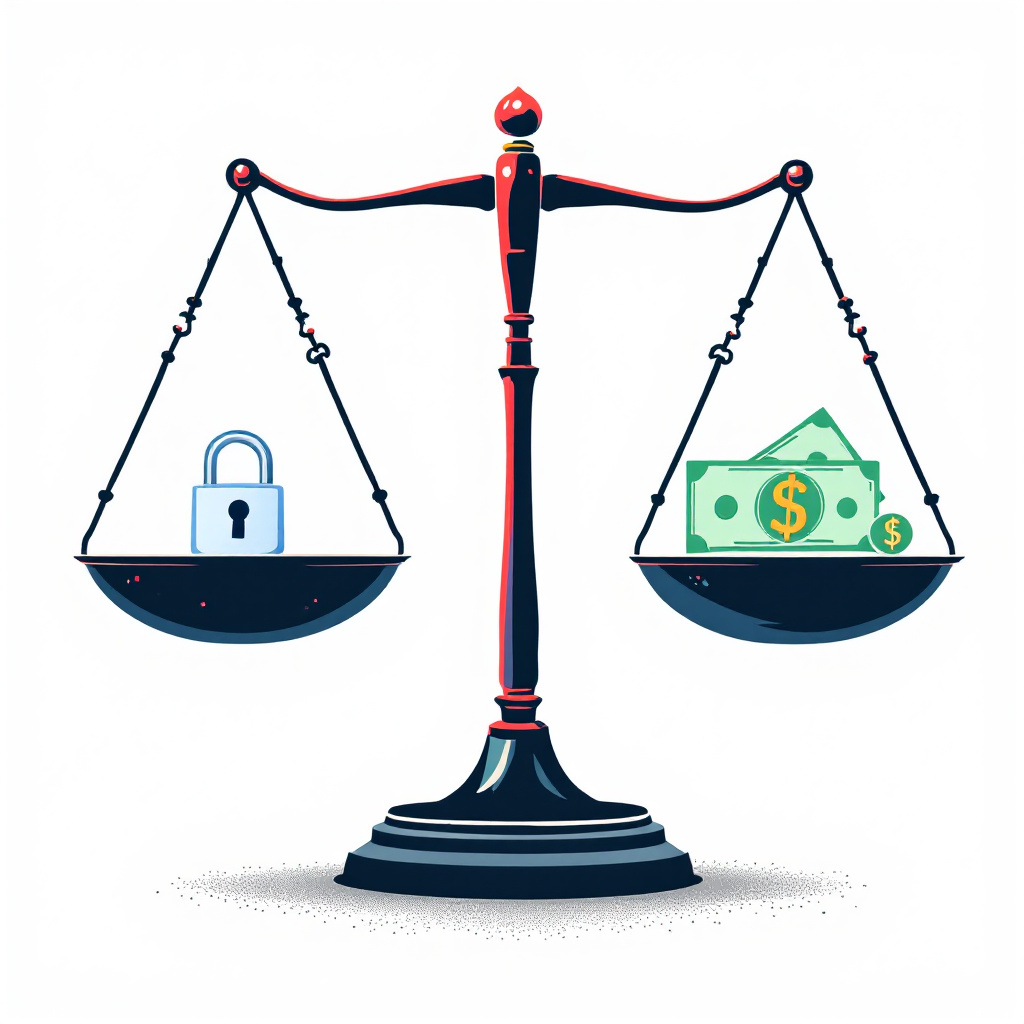

Exploring Unsecured Loans: Balancing Benefits and Pitfalls
In the financial jungle, unsecured loans stand out like one of those zany, inflatable dancing men that whip around in front of car dealerships. They’re eye-catching, intriguing, and a little mysterious. If you’re considering financial options that don’t involve the dreaded collateral pledge, unsecured loans might be your ticket. But, as with any financial commitment, there’s more than meets the eye. Buckle up, dear reader, as we dive into the nitty-gritty of unsecured loans.
The Unvarnished Truth: What Are Unsecured Loans?
Before we hit the pros and cons, let’s get on the same page about what unsecured loans really are. Picture this: an unsecured loan is essentially a loan that doesn’t require you to promise your assets (like your house or car) to the lender as a backup plan. It’s like borrowing without that low hum of anxiety that comes from knowing your prized possessions are on the line.
These loans come in various flavors, from personal loans and credit cards to student loans. Unlike their secured counterparts, unsecured loans primarily bank on your creditworthiness and income status. Lenders take a bit of a leap of faith here, which is why interest rates are often higher to counterbalance the risk.

The Sunny Side: Advantages of Unsecured Loans
Alright, let’s talk sunshine and rainbows for a moment. Why should one even consider unsecured loans in the first place? Here’s what’s in it for you:
- No Collateral Concerns: One of the standout features of unsecured loans is—you guessed it—the lack of collateral. Your assets remain yours without being tied up in your loan agreement.
- Speedy Process: Unsecured loans can be processed and disbursed relatively quickly, often without the red tape associated with secured loans. For those sudden financial hiccups, this is a huge plus.
- Flexibility on Usage: Whether you’re consolidating debt, catching up on bills, or chasing an unexpected opportunity, unsecured loans give you the freedom to allocate the funds as you see fit.
- Builds Credit Score: When managed well, these loans can be a stepping stone to building or improving your credit score, as they reflect your ability to handle credit responsibly.
The Flip Side: Disadvantages Knock on the Door
But wait—unsecured loans aren’t all peaches and cream. There’s a flip side that’s worth a gander too. As appealing as they are, that appeal comes with strings attached:
- Higher Interest Rates: Due to the absence of collateral, lenders cushion their risks with higher interest rates. Over the life of the loan, this can snowball into paying a pretty penny more than you’d bargained for.
- Strict Eligibility Requirements: Lenders tend to be sticklers about credit scores and income levels. If your financial resume doesn’t cut it, getting approved might prove to be an uphill battle.
- Potential for Debt Accumulation: The ease of access can sometimes be a double-edged sword, leading individuals down a path of over-borrowing and mounting debt.
- Limited Amounts: Compared to secured loans, unsecured loan amounts are typically lower. You might not get that chunk of change needed for bigger expenses.
Navigating the Financial Terrain: When to Opt for Unsecured Loans
Decisions, decisions! When should one lean toward unsecured loans? Here are a couple of scenarios where they just might be your financial knight in shining armor:
- Debt Consolidation: If you’re juggling multiple debts with varying interest rates, an unsecured loan can streamline them into a single monthly payment. It’s like herding cats—but successfully!
- Short-Term Financial Crunch: For those moments of temporary tightness in cash flow, an unsecured loan can provide the cushion you need without the long-term commitment.
- Building Financial Credibility: When used judiciously, unsecured loans offer a pathway to bolster your credit profile, particularly if you’re new to borrowing.
The Lender’s Perspective: Why They Take the Leap
Whenever we borrow, it’s not just about us—there’s a lender on the other side putting their money where their mouth is. For unsecured loans, they might as well be tightrope walkers without a safety net. Let’s walk a mile in their shoes:
Lenders assess several factors before handing out unsecured loans, from scrutinizing your credit history to evaluating your income stability. It’s a calculated risk on their part, compensated by charging higher interest rates. Their return on investment, after all, is directly proportional to how well they gauge your ability to repay.
Making It Work: Tips for Managing Unsecured Loans
Alright, so you’ve taken the plunge and hopped onto the unsecured loan bandwagon. But how do you ensure a smooth ride? Here are some tips to keep things sunshine and roses:
- Set a Budget: Make a plan before you spend a dime of that loan. Knowing precisely how it’ll be used keeps financial slip-ups at bay.
- Create a Repayment Schedule: Mark your calendar with payment dates and amounts. Falling behind not only hurts your credit score but also lightens your wallet with late fees.
- Avoid Accumulated Debt: Taking out additional loans while one is still active might seem tempting but steer clear unless absolutely necessary.
- Communicate with Lenders: Keep a line of open communication with your lender. They’ll appreciate transparency should you ever face repayment hurdles.
Wrapping It Up: Is an Unsecured Loan Right for You?
As the proverbial dust settles, where do you stand with unsecured loans? They’re undoubtedly a viable option under the right circumstances, offering flexibility and freedom. But tread cautiously. With many factors to weigh—the absence of collateral, higher interest rates, and the obligation of creditworthiness—it’s crucial to align your financial goals and capabilities before pulling the trigger.
Ultimately, it’s all about striking balance—a harmonious accord between the benefits that unsecured loans bring and the challenges they present. After reading through this financial odyssey, you’re now more equipped than ever to make an informed choice. Time to seize control of your financial journey, or as the old saying goes, not just roll the dice but know when and where to roll them!
FAQs
What is an unsecured loan?
An unsecured loan is a type of loan that isn’t backed by any collateral, such as real estate or a vehicle. Instead, it’s based on the borrower’s creditworthiness and financial ability to repay. Because there’s no collateral to fall back on, these loans are generally considered riskier for lenders, often resulting in higher interest rates and more stringent credit requirements.
How much would a $5000 personal loan cost a month?
The monthly payment for a $5,000 unsecured personal loan can vary greatly, depending on the interest rate and loan term. Assuming a typical interest range, payments might hover between $68 to $502 per month. For instance, if the loan has a 36% APR over one year, you can expect to pay approximately $502 each month. On the flip side, lower interest rates or longer terms will bring down monthly payments but potentially increase the total cost of the loan.
Why is an unsecured loan better?
Unsecured loans offer several advantages. Since they’re not tied to any collateral, you don’t risk losing your personal assets, like a home or car if you default on repayments. They also generally involve a quicker application and approval process, given there’s no need to appraise or verify collateral. This makes them a handy option if you need funds swiftly and without the risk associated with securing your loan against your property.
What are the typical interest rates for unsecured loans?
Interest rates for unsecured loans can significantly differ based on various factors such as your credit score, income, loan amount, and term. Generally, they range from about 5% to upwards of 36%. Loanees with excellent credit scores often enjoy the lower end of this spectrum, whereas those with less favorable credit histories might face higher rates.
Can I apply for an unsecured loan with a bad credit score?
Applying for an unsecured loan with a less-than-stellar credit score is possible, but it might come with challenges. You could face higher interest rates and a more rigorous approval process. Some lenders, however, offer options specifically designed for individuals with bad credit, though these often require higher APRs and stricter terms. It’s always wise to shop around and understand the full landscape of options available to you.
