

The Disadvantages of Mortgage Loans: Navigating the Hidden Traps of Home Financing
For many, the word mortgage conjures images of that dream home with the idyllic white picket fence. However, beneath the allure of owning property lies a web of financial complexities that can ensnare the unprepared. The disadvantages of mortgage loans often hide in plain sight, overshadowed by the excitement of homeownership. Whether you’re a first-time home buyer or considering refinancing, it’s crucial to weigh these factors carefully to ensure they’re the right choice for your financial future.
Long-Term Debt Commitment: A Financial Chain That Binds
When you sign up for a mortgage, you’re not just securing a home—you’re committing to a debt that could stretch over three decades. It’s a marathon, not a sprint, demanding endurance and unwavering financial discipline. While paying rent feels like an endless loop, a mortgage is a mountain to climb.
- Financial Handcuffs: This long-term commitment can feel like you’re wearing financial handcuffs. Every monthly payment leaves less room for spontaneous adventures, new ventures, or unpredicted opportunities.
- Unpredictable Life Changes: Job loss, medical emergencies, or even a desire to switch careers can be stressful when shackled to a mortgage. Suddenly, that monthly payment feels heavier than a sack of bricks.
If life’s unpredictability is more than you’d prefer, entering a long-term debt commitment might not be in your best interest. The sheer duration of mortgage commitments can weigh heavily on the freedom to adapt and change course if life throws a curveball your way.
Risk of Foreclosure: The Looming Threat
Ah, foreclosure—the boogeyman in the closet for every homeowner. No one likes to dwell on it, yet it’s a stark reality of the mortgage world. Missing too many mortgage payments might cue the foreclosure process, potentially leading to the loss of your home. Just the thought is enough to send shivers down your spine.
Here’s how the grim process unfolds:
- Warning Signs Ignored: If bills are stacking up and late notices pile up like fallen leaves, it’s a sign you’re on a slippery slope.
- Lender’s Decisions: When financial arteries are clogged, lenders can move to recoup their investment by initiating foreclosure proceedings.
- Losing Your Safe Haven: In the end, it might mean losing not just walls and a roof but memories and dreams tied to the home.
Foreclosure doesn’t just sting financially—it can leave emotional scars and mar your credit score for years. Diligent budgeting and honest financial assessment before committing can help mitigate this risk. After all, no one wants to lose their home to the proverbial storm.
The Financial Impact of Interest Payments Over Time
Now, let’s pull back the curtain on the interest payments that often feed the financial beast called a mortgage. Sure, owning property might sound like a fantastic way to build equity, but the borrowed money reflects a lender’s profit—a profit you provide through interest payments spread over decades.
- The Costly Night Out: In the first years, those payments are largely interest. It’s as if you’re only paying for the appetizer and not the full meal in those early days.
- Compounded Costs: Over the life of the loan, the cumulative interest can add up to more than the original loan amount. You pay, and pay, and pay some more.
Consider this: on a $300,000 mortgage with a typical 30-year fixed rate, the total interest paid can sometimes exceed $150,000! That’s enough to make any potential borrower sit up straight. Understanding how interest rates fluctuate and the potential for refinancing is crucial in evaluating how much interest you might pay in the long run.
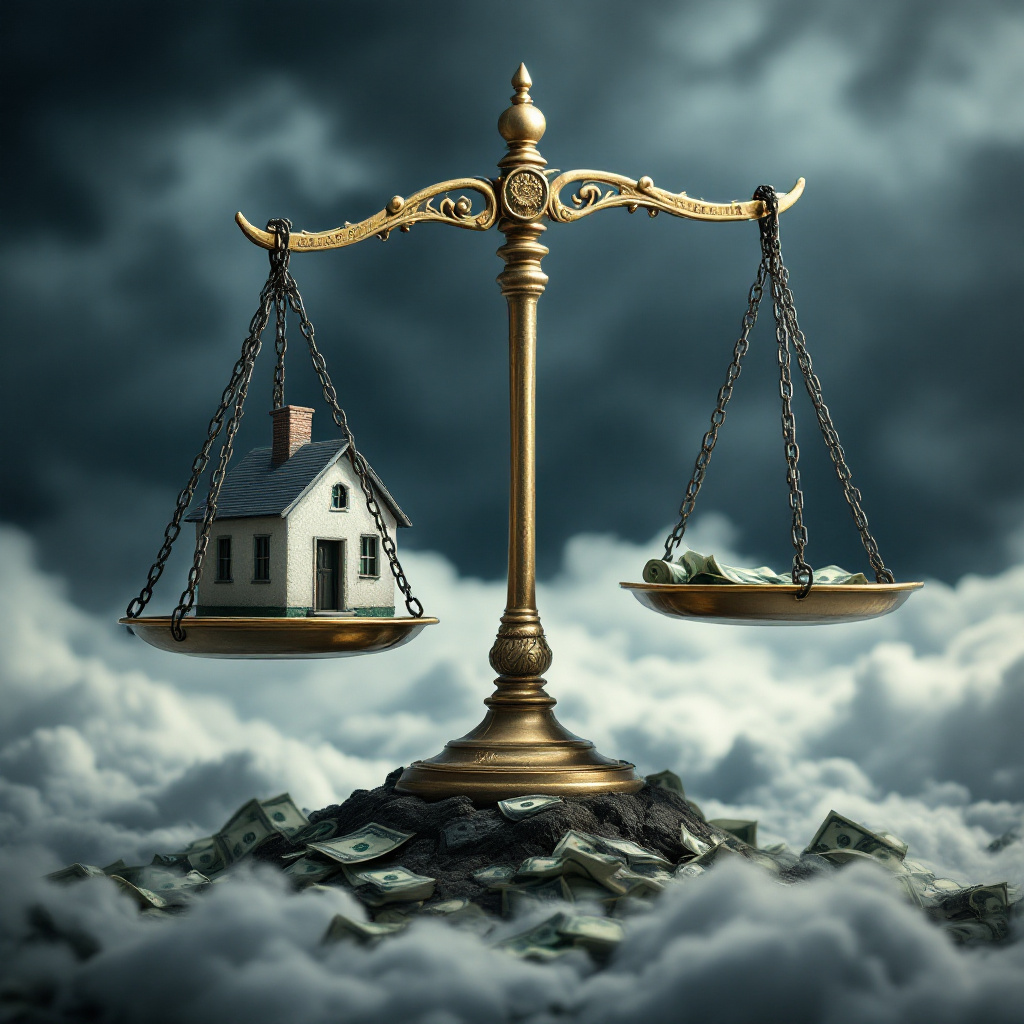
Weighing the Financial Scale: Making a Sound Decision
When you embark on your journey towards homeownership, remember it isn’t a sprint to the finish line, but rather a trek that requires careful planning and foresight. Mortgages are not inherently evil by nature; they’re a tool. However, like any tool, they require skill and respect.
Prospective borrowers might consider the following:
- Assess your stabilizing factors, such as career security, savings, and future plans.
- Evaluate the worst-case scenarios: Can you handle unexpected expenses? What if your income fluctuates?
- Understand your other financial goals: Are there other priorities you want to focus on, such as travel, education, or starting a business?
Remember—success lies in finding balance. The key is to ensure a mortgage aligns not just with your dream of homeownership but also with your financial capacity and future goals. It’s a classic case of weighing the pros and cons, making sure you see the whole picture before signing on the dotted line.
In the journey towards homeownership, a mortgage can be both a stepping stone to your dream life and a potential financial mire if not treated with the respect it deserves. By recognizing the disadvantages of mortgage loans—from the long-term debt commitment to the risk of foreclosure and the daunting interest payments—you’re better equipped to make informed choices that safeguard your future. So, when you’re ready to embark on this journey, do so with eyes wide open, armed with knowledge, and a clear understanding of what lies ahead. After all, making smart financial decisions today paves the way for a secure and prosperous tomorrow.
Frequently Asked Questions About Mortgage Loans
What are the disadvantages of a mortgage?
One significant disadvantage of taking out a mortgage is the long-term financial commitment involved. Depending on the length of your mortgage term, you may be making monthly payments for decades, tying up a significant portion of your income. This commitment can limit your financial flexibility and make it challenging to adapt to unforeseen circumstances such as job loss or medical emergencies.
Is it better to have a mortgage or pay it off?
The decision to maintain or pay off a mortgage depends on your financial situation. If it’s expensive debt (that is, with a high interest rate) and you already have some liquid assets like an emergency fund, then paying it off might be beneficial. Conversely, if it’s cheap debt (a low interest rate) and you have a good history of staying within a budget, maintaining the mortgage and investing elsewhere may be advantageous, potentially yielding greater financial returns over time.
What are the disadvantages of in-house financing?
In-house financing, typically used in the context of car buying or other high-ticket items, often caters to those with less-than-stellar credit. Although it provides a convenient financing solution, it comes at a cost. The dealership or lender knows they might be the only ones willing to extend credit to these buyers, so they charge ultra-high interest rates and fees, making the overall cost of the purchase significantly higher.
Why is understanding interest important when considering a mortgage?
Understanding interest is crucial because, over the life of a mortgage, you may end up paying more in interest than the original loan amount. The interest rate determines your monthly payments and influences the total cost of the loan. A seemingly small difference in interest rates can lead to significant financial implications over time, impacting your long-term financial health.
How does foreclosure affect your credit score?
Foreclosure is a severe negative mark on your credit report. It can significantly lower your credit score, typically by 100 points or more, which can linger for up to seven years. This drop in your credit score can make it challenging to acquire new credit or loans, potentially affecting your ability to make significant financial purchases in the future.
